Sikhi and Vaisakhi - Thanksgiving and remembrance of a cyclic lifestyle and the creation of Khalsa
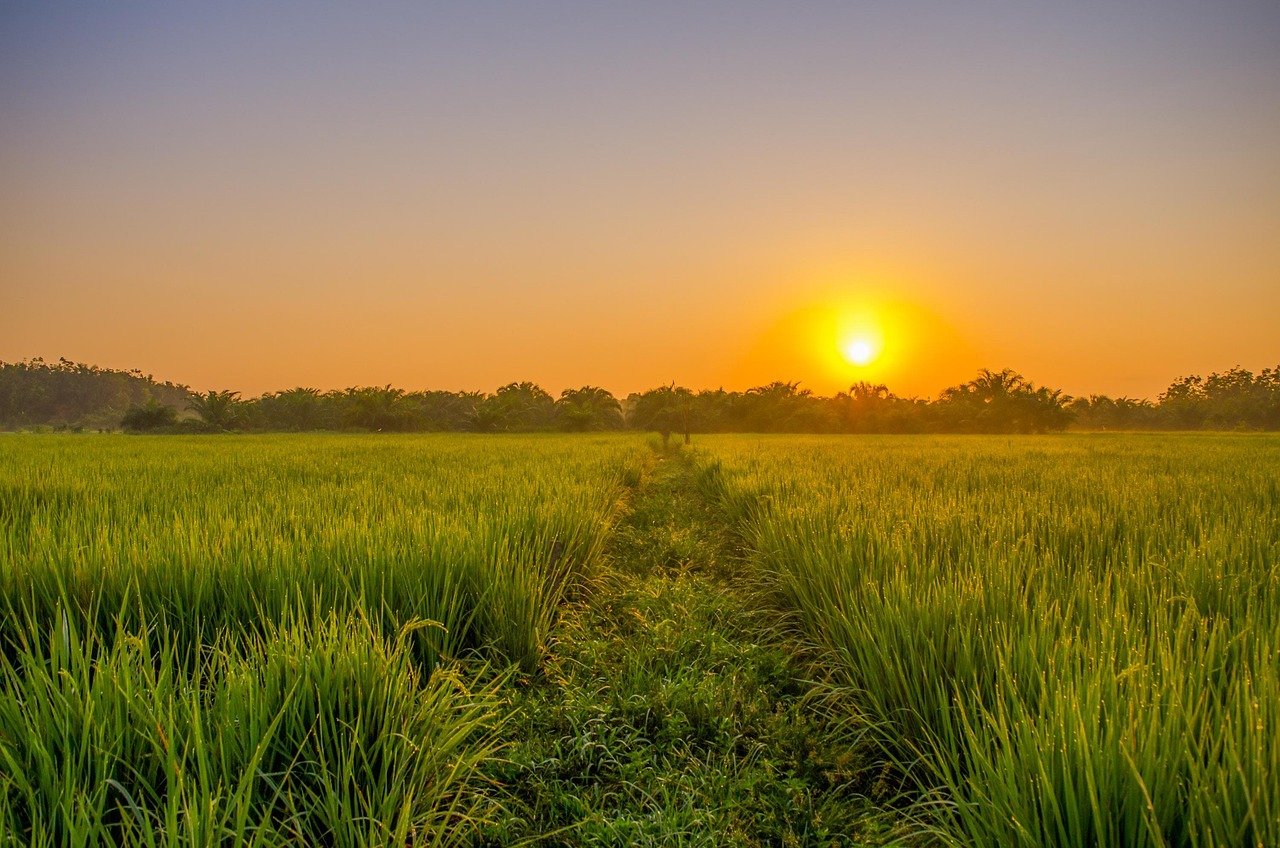
Harvest festivals remind us of the importance of cyclical thinking, renewal and mindful living in harmony with nature. Exemplarily, the festival of Vaisakhi and the creation of the Khalsa in the context of Sikhi are not singular events. Rather, they are a reflection of what has ripened within us spiritually. They are an invitation to renew our relationship with the Divine and creation for the benefit of ourselves and the whole of humanity. Credits: Pixabay
Harvest Festivals: Universal Inspiration to Gratitude and Care
Harvest festivals can be found in cultures across the world. More than agricultural customs, they often carry a deep spiritual essence. They invite us to pause – to step into an attitude of gratitude, humility, and care – and to strengthen our connection with Mother Earth and with life itself.
In Japan, during the Niiname-sai festival, the first rice of the year is symbolically offered to the Divine. Among Indigenous communities in Africa and South America, people express their thanks through dance, song, prayer, and offerings to the Earth. Whether in rural Europe or as Thanksgiving in North America, the original roots of harvest celebrations lie in a deep reverence for nature and the awareness that all the gifts of life are sacred.
From Gratitude to Action: Cyclical Thinking and Circular Economy as a Principle of Life
Especially in industrial countries that are marked by fast-paced living, consumption, individualism, and fear, even amidst material wealth – harvest festivals remind us that we are guests on Mother Earth. We are woven into natural rhythms, not above them. The seasons teach us patience, trust, and the acceptance of change. What is sown today may bear fruit in the future. When we act with care and in harmony with the cycle of life – seeing Mother Earth as a source of life, not as a resource to be exploited – the chances of a sustainable and fruitful harvest increase.
Cyclical thinking is grounded in the understanding of such natural principles. What is taken from Mother Earth is returned to her elsewhere. If a tree is felled, at least one is planted in its place. Cyclical thinking, therefore, stands in stark contrast to the widely dominant model of linear growth – which consumes Earth’s resources as if they were limitless, rather than honoring them. Linear thinking results in short-sighted actions with long-term damage to the environment. Cyclical thinking and action, on the other hand, keep us in balance and help avoid extremes.
The circular economy is an economic model based on cycles – unlike the conventional linear economy, which follows the logic of “take – make – consume – discard.” This alternative approach is not a new invention; it still thrives in rural communities today. For instance, cow dung is dried and used as cooking fuel. The ash from this is then returned to the soil as a natural fertilizer, creating a closed-loop system that minimizes waste and enriches the land. Old garments are reused as quilts or cleaning cloths. These practices exemplify that people who follow the principle of circularity use resources efficiently, minimize waste, and keep products and materials circulating for as long as possible. The fundamental principles of a circular economy include:
Use, Not Waste: Products are designed to last, to be repairable, reusable, and recyclable.
Reuse and Repair: Items are maintained, repaired, and reused instead of being thrown away at the first sign of damage.
Recycling Instead of Waste: Materials such as metal, glass, paper, or plastic are reprocessed so they can have a second life in new products.
Fostering Biological Cycles: Organic materials like food scraps or wood are composted and returned to nature.
Cascade Use: A single material goes through multiple life cycles – for example, an old fabric becomes raw material for something new.
A circular economy based on cyclical thinking offers many benefits, because:
it conserves natural resources, which are becoming increasingly scarce.
it reduces pollution caused by waste, CO₂ emissions, and toxic byproducts.
it strengthens local economies and drives sustainable innovation.
it invites us to live in harmony with cycles – just as nature itself teaches.
Sikhi: The Art of Living Cyclically
Sikhi – the original name for the Sikh way of life – emerged in the Panjab region in the 15th century. This young world religion is rooted in unique traditions, including its own poetic script language (Gurmukhi), naming customs, sacred recitation, and a dignified appearance. Sikhi is based on timeless wisdom (Gurmat), revealed to 35 more than 30 enlightened ones (Gur, Bhagat), preserved in writing (Gurbani), and compiled in the scripture known as Guru Granth Sahib (GGS). Today, this spiritual path inspires approximately 25 million Sikhs around the world. The wisdom of Sikhi invites deep reflection on early life conditioning, helps distinguish natural needs from desires, and cultivates a cyclical worldview that moves beyond the illusion of impermanence. Gurmat guides us toward a life that is healthy, spiritual, ethical, and in harmony with nature and the Divine (Guru).
The Festival of Vaisakhi: Origins and Meaning
Cyclic thinking and living are central to the path of Sikhi. A profound reminder of this is the centuries-old festival of Vaisakhi (also spelled Baisakhi), celebrated every year on April 13 or 14 by Sikhs around the globe. Originally an agricultural thanksgiving in Panjab, the birthplace of Sikhi, Vaisakhi falls during the month of Vaisakh (mid-April to mid-May) and marks the beginning of the wheat harvest and a new farming cycle. People from diverse backgrounds use this time to express gratitude for all the gifts nature provides unconditionally. The festival can encourage
to develop a respectful relationship with nature and animals,
the purchase of seasonal and regional organic products,
growing one’s own food,
to promote community-supported agriculture
careful use of essential resources such as water and energy,
to switch to green electricity and to leave behind the use of fossil fuels and engines,
to consciously question and avoid wasteful behavior,
and to develop alternative models of development that place the well-being of humans, animals, and nature at the center (Holistic Well-being Index).
In this way, a joyful celebration becomes a daily attitude of reverence and responsibility.
Timeless spiritual wisdom reminds us:
ਵੈਸਾਖੁ ਸੁਹਾਵਾ ਤਾਂ ਲਗੈ ਜਾ ਸੰਤੁ ਭੇਟੈ ਹਰਿ ਸੋਇ ॥੩॥ GGS, 134, M.5
The month of Vaisakh becomes truly beautiful when it invites us into a conscious encounter with the truth that resides in our own hearts.
Ultimately, the preserved wisdom emphasizes that the highest festival and religious day is the one on which we live consciously in harmony with ourselves and creation. Blessed, then, is any time we live with awareness. Seasons and months symbolize inner transformation, where our innate virtues are allowed to blossom, and we become a living expression of grace and dignity.
ਸਾਈ ਘੜੀ ਸੁਲਖਣੀ ਸਿਮਰਤ ਹਰਿ ਨਾਮ ॥੧॥ ਰਹਾਉ ॥ GGS, 815, M.5
ਸੁਭ ਦਿਵਸ ਆਏ ਗਹਿ ਕੰਠਿ ਲਾਏ ਪ੍ਰਭ ਊਚ ਅਗਮ ਅਪਾਰੇ ॥ GGS, 546, M.5
ਰੁਤੀ ਮਾਹ ਮੂਰਤ ਘੜੀ ਗੁਣ ਉਚਰਤ ਸੋਭਾਵੰਤ ਜੀਉ ॥ GGS, 927, M.5
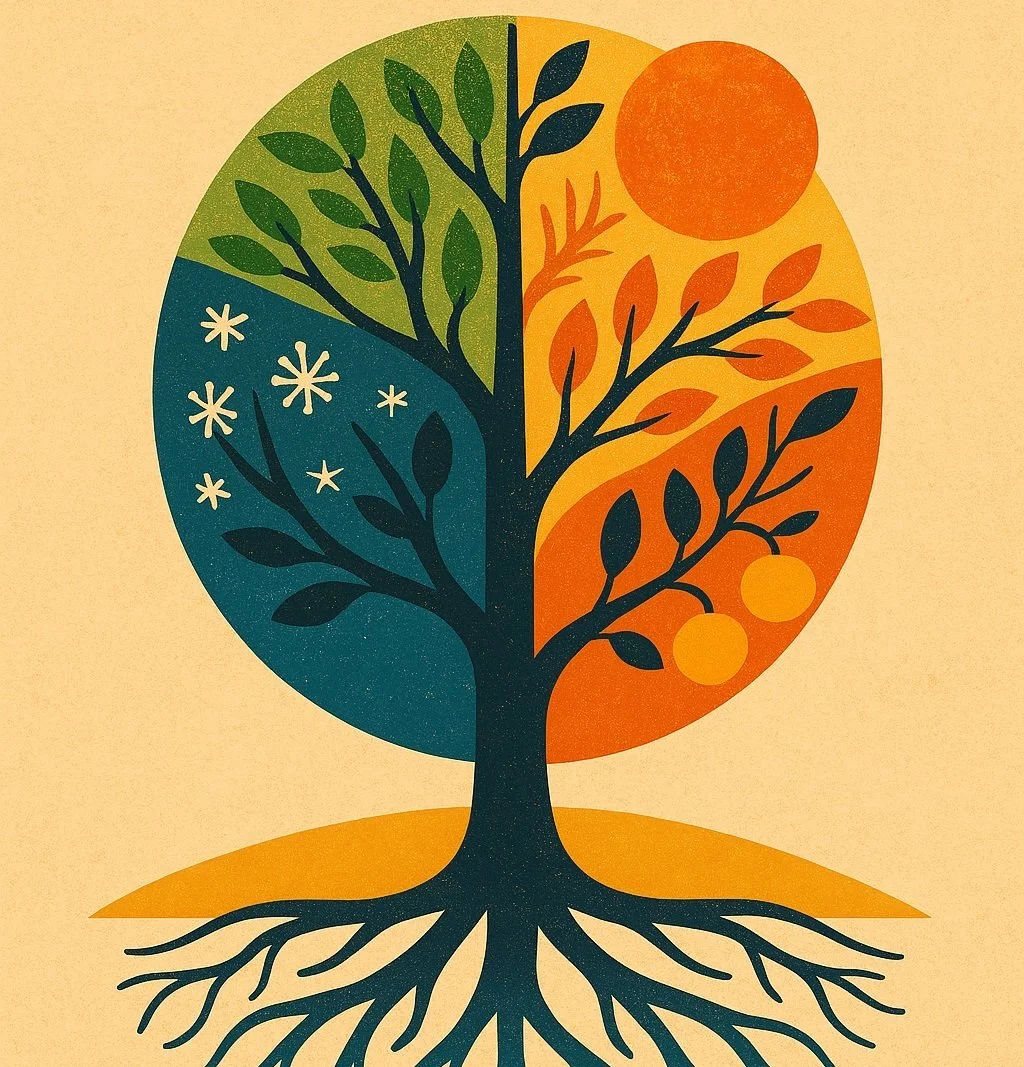
Spiritual wisdom and the harvest festival of Vaisakhi both serve as profound reminders to embrace life as a sacred cycle. Credits: SikhiCouncil, AI ChatGPT, OpenAI, 2025
The Lunisolar Bikrami Calendar: The Interplay of Nature, Spirituality, and Daily Life
The term Vaisakhi originates from the month of Vaisakh in the traditional Bikrami calendar. This calendar - also known as Vikram Samvat - has been used for over 2,000 years in North India, especially in Panjab. It marks time in harmony with the rhythms of nature and is named after the legendary king Vikramaditya, remembered as a wise and just ruler who placed the well-being of his people above all else.
The Bikrami calendar is lunisolar, meaning it integrates both the moon's phases and the sun's position in the sky. Months are calculated based on lunar cycles (typically 29 or 30 days), while occasional intercalary months - known as Adhik Maas - are added to align the calendar with the solar year and the seasons. The new year begins with the month of Chet (ਚੇਤ), usually around mid-March.
This ancient calendar reflects a cyclical understanding of time, enabling life to unfold in harmony with the cosmic rhythms of the moon and sun. It symbolizes a deep interconnectedness between nature, spirituality, and everyday experience. The verses of Barah Maha (The Twelve Months), found in Gurbani, beautifully embody this cyclical worldview. These poetic and spiritual reflections go beyond the external shifts in nature - they mirror the spiritual journey of the seeker.
Through the lens of Barah Maha, every moment - whether spring or winter, abundance or scarcity - is a sacred opportunity for inner transformation. The cyclical flow of nature becomes a metaphor for the soul’s journey: blossoming, challenges, longing, maturity, and union. The verses align seamlessly with today’s emphasis on circular economy and environmental consciousness. Rather than living against the grain of natural order, the verses of Barah Maha invite us to live mindfully as humble guests on Mother Earth, in harmony with all of creation.
Spiritual Interpretation of the Twelve Months
The following symbolic meanings are drawn from the verses of Barah Maha (GGS, 133-136, M.5) in light of the seasonal conditions in North India:
Chet (ਚੇਤੁ), mid-March to mid-April: The awakening of inner longing for divine connection - the beginning of the spiritual journey.
ਚੇਤਿ ਗੋਵਿੰਦੁ ਅਰਾਧੀਐ ਹੋਵੈ ਅਨੰਦੁ ਘਣਾ ॥Vaisakh (ਵੈਸਾਖੁ), mid-April to mid-May: A time of divine blessings - one who awakens now walks in wisdom.
ਵੈਸਾਖਿ ਸਤਿਗੁਰੁ ਸੇਵੀਐ ਸਿਰਿ ਕਰਿ ਨਿਵਾਣੁ ॥Jeth (ਜੇਠੁ), mid-May to mid-June: Longing intensifies - the heat symbolizes inner trials and refinement.
ਜੇਠਿ ਅੰਮ੍ਰਿਤੁ ਵਰਖਦਾ ਸਚੁ ਨਾਮੁ ਤਿਸੁ ਮਨਿ ਭਾਣਾ ॥Harh (ਹਾੜੁ), mid-June to mid-July: Dryness and barrenness - reflecting spiritual distance and testing.
ਹਾੜਿ ਭਗਤਿ ਕਰੀਐ ਸਚੁ ਧਿਆਈਐ ॥Sawan (ਸਾਵਣੁ), mid-July to mid-August: The rainy season - tears of yearning for nearness to the Divine.
ਸਾਵਣਿ ਸਜਣ ਆਇ ਮਿਲੇ ਤਿਨਾ ਧਨ ਭਾਗਾ ॥Bhadon (ਭਾਦੋਂ), mid-August to mid-September: Tension between outer appearances and inner truth.
ਭਾਦੋਂ ਭੂਲਾ ਵਿਗੁਚੀਐ ਦੂਜੈ ਭਰਮਿ ਭੁਲਾਣਾ ॥Asu (ਅੱਸੂ), mid-September to mid-October: A turning point - the return to spiritual clarity.
ਅੱਸੂ ਤਜਿ ਅਭਿਮਾਨੁ ਕਰਿ ਲੇ ਭਗਤਿ ਭਾਉ ॥Kattak (ਕੱਤਕੁ), mid-October to mid-November: Spiritual darkness - the need for divine guidance becomes urgent.
ਕੱਤਕਿ ਕਰੇ ਪਿਆਰੁ ਗੋਵਿੰਦ ਸਿਉ ਅਵਰੁ ਨ ਜਾਨੈ ਦੂਜਾ ॥Maghar (ਮੱਘਰੁ), mid-November to mid-December: The risk of inner stagnation - yet those who embody the essence of truth remain inwardly alive.
ਮੱਘਰਿ ਹਰਿ ਗੁਣ ਗਾਈਅਹਿ ਮਨਿ ਤਨਿ ਹੋਵੈ ਸਾਂਤਿ ॥Poh (ਪੋਹੁ), mid-December to mid-January: The depth of winter - only divine light sustains conscious living.
ਪੋਹਿ ਪਵੈ ਸਣਿਆਸੀ ਹੋਇਐ ਅੰਤਰਿ ਬ੍ਰਹਮੁ ਬੀਚਾਰੈ ॥Magh (ਮਾਘੁ), mid-January to mid-February: Cleansing and renewal - hope for divine union through devotion.
ਮਾਘਿ ਮਜਨੁ ਸੰਗਿ ਸਾਧੂਆ ਧੂੜੀ ਕਰਿ ਇਸਨਾਨੁ ॥Phagan (ਫੱਗਣੁ), mid-February to mid-March: The celebration of divine union - spiritual fulfillment blossoms.
ਫੱਗਣਿ ਭਲਾ ਆਖੀਐ ਹਰਿ ਰਸਿ ਲੀਨ ਮਨਾਏ ॥
The Significance of Vaisakhi in Sikhi: The Founding of the Khalsa in 1699
A profound transformation in the meaning of Vaisakhi occurred in the year 1699. Building upon its roots as a harvest festival, the last of the ten directly succeeding enlightened ones, Gur Gobind Singh (1666- 1708), established a spiritual assembly of the pure - known as the Khalsa - in the city of Anandpur Sahib in Panjab.
According to historical oral and written accounts - such as Khalsa Mahima by Bhai Nand Lal (17th century), Sri Gur Sobha by the contemporary poet Kavi Sainapat (circa 1711-1714), and Bansavalinama Dasan Patshahian Ka by Kesar Singh Chhibber (circa 1769) - a great gathering was held on March 30, 1699, in Anandpur Sahib. Gur Gobind Singh, then still known as Gobind Rai, called for volunteers who were ready to fully commit themselves to a spiritual life and the service of the common good.
From the crowd, only five men stepped forward - each from diverse regional and social backgrounds: Daya Ram from Lahore (in present-day Pakistan), Dharam Das from Hastinapur (Delhi), Himmat Rai from Jagannath (Odisha), Mohkam Chand from Dwarka (Gujarat), and Sahib Chand from Bidar (Karnataka). Through the Khande Di Pahul ceremony - where a double-edged sword (Khanda) and water sweetened with caramel and cardamom were used while divine wisdom was recited - the five were initiated into the Khalsa, the community of the pure. They came to be known as the Panj Piare, the Five Beloved Ones, in Sikh history. They kept their first names, but from that day on, they all shared the surname Singh (Lion).
The significance of the Khalsa is further emphasized by what followed: Gobind Rai himself requested initiation from the Five Beloved Ones. From that moment, he too became part of the Khalsa and took on the common surname Singh. This sacred act reveals the humility and grace that lived within Gur Gobind Singh. A true wise one never elevates himself above others - but merges with the collective. The pure drop became one with the ocean.
ਸਾਗਰ ਮਹਿ ਬੂੰਦ ਬੂੰਦ ਮਹਿ ਸਾਗਰੁ ਕਵਣੁ ਬੁਝੈ ਬਿਧਿ ਜਾਣੈ ॥ GGS, 878, M.1
ਸੂਰਜ ਕਿਰਣਿ ਮਿਲੇ ਜਲ ਕਾ ਜਲੁ ਹੂਆ ਰਾਮ ॥ ਜੋਤੀ ਜੋਤਿ ਰਲੀ ਸੰਪੂਰਨੁ ਥੀਆ ਰਾਮ ॥ ਬ੍ਰਹਮੁ ਦੀਸੈ ਬ੍ਰਹਮੁ ਸੁਣੀਐ ਏਕੁ ਏਕੁ ਵਖਾਣੀਐ ॥ ਆਤਮ ਪਸਾਰਾ ਕਰਣਹਾਰਾ ਪ੍ਰਭ ਬਿਨਾ ਨਹੀ ਜਾਣੀਐ ॥ GGS, 846, M.5
Accordingly, Gurbani accentuates that the whole purpose of being born is to heal and unite. Awakened beings of the Khalsa are fully aware of the holy mission of unification - and are therefore committed to overcoming human-made divisions, strengthening the unity of humankind, and standing up against the abuse of power in politics and economics but also the misuse of religion. They do not instill fear in anyone, nor do they let themselves be intimidated by anyone.
ਯਾ ਜੁਗ ਮਹਿ ਏਕਹਿ ਕਉ ਆਇਆ ॥ GGS, 251, M.5
ਜਿਸ ਕੈ ਅੰਤਰਿ ਰਾਜ ਅਭਿਮਾਨੁ ॥ ਸੋ ਨਰਕਪਾਤੀ ਹੋਵਤ ਸੁਆਨੁ ॥ GGS, 278, M.5
ਭੈ ਕਾਹੂ ਕਉ ਦੇਤ ਨਹਿ ਨਹਿ ਭੈ ਮਾਨਤ ਆਨ ॥ ਕਹੁ ਨਾਨਕ ਸੁਨਿ ਰੇ ਮਨਾ ਗਿਆਨੀ ਤਾਹਿ ਬਖਾਨਿ ॥੧੬॥ GGS, 1427, M.9
In the Dasam Granth (DG), which contains the writings of Gur Gobind Singh, the following insights on the process of inner purification and spiritual perfection are found on page 712:
ਜਾਗਤ ਜੋਤਿ ਜਪੈ ਨਿਸ ਬਾਸੁਰ ਏਕੁ ਬਿਨਾ ਮਨਿ ਨੈਕ ਨ ਆਨੈ ॥ ਪੂਰਨ ਪ੍ਰੇਮ ਪ੍ਰਤੀਤ ਸਜੈ ਬ੍ਰਤ ਗੋਰ ਮੜ੍ਰਹੀ ਮਠ ਭੂਲ ਨ ਮਾਨੈ ॥ ਤੀਰਥ ਦਾਨ ਦਇਆ ਤਪ ਸੰਜਮ ਏਕੁ ਬਿਨਾ ਨਹਿ ਏਕ ਪਛਾਨੈ ॥ ਪੂਰਨ ਜੋਤਿ ਜਗੈ ਘਟ ਮੈ ਤਬ ਖਾਲਸ ਤਾਹਿ ਨ ਖਾਲਸ ਜਾਨੈ ॥੧॥
These verses emphasize that true wisdom and spiritual realization can only be attained through deep introspection and lived virtues - and not through adherence to dogmas, the performance of rituals, pilgrimages, donations, asceticism, or outward superficialities. It is only when the full divine light - symbolizing love and wisdom - is awakened within, that the true essence of purity can be discovered and lived in one's own heart.
In the Khalsa Mahima, Gur Gobind Singh is attributed with the following words:
ਖ਼ਾਲਸਾ ਮੇਰੋ ਰੂਪ ਹੈ ਖ਼ਾਸ ॥
The Khalsa is my special embodiment.
ਖ਼ਾਲਸੇ ਮਹਿ ਹਉ ਕਰਉ ਨਿਵਾਸ ॥
In pure ones, I find my dwelling.
ਖ਼ਾਲਸਾ ਮੇਰੋ ਮੁਖ ਹੈ ਅੰਗਾ ॥
The Khalsa is my countenance and a part of me.
ਖ਼ਾਲਸੇ ਕੇ ਹਉ ਸਦ ਸਦ ਸੰਗਾ ॥
With the pure ones, I am eternally united.
Further, it is stated:
ਖ਼ਾਲਸਾ ਕਾਲ ਪੁਰਖ ਕੀ ਫੌਜ ॥
The Khalsa is the heavenly army of the Timeless One.
ਪ੍ਰਗਟਿਓ ਖ਼ਾਲਸਾ ਪਰਮਾਤਮ ਕੀ ਮੌਜ ॥
The Khalsa is the manifestation of the Divine.
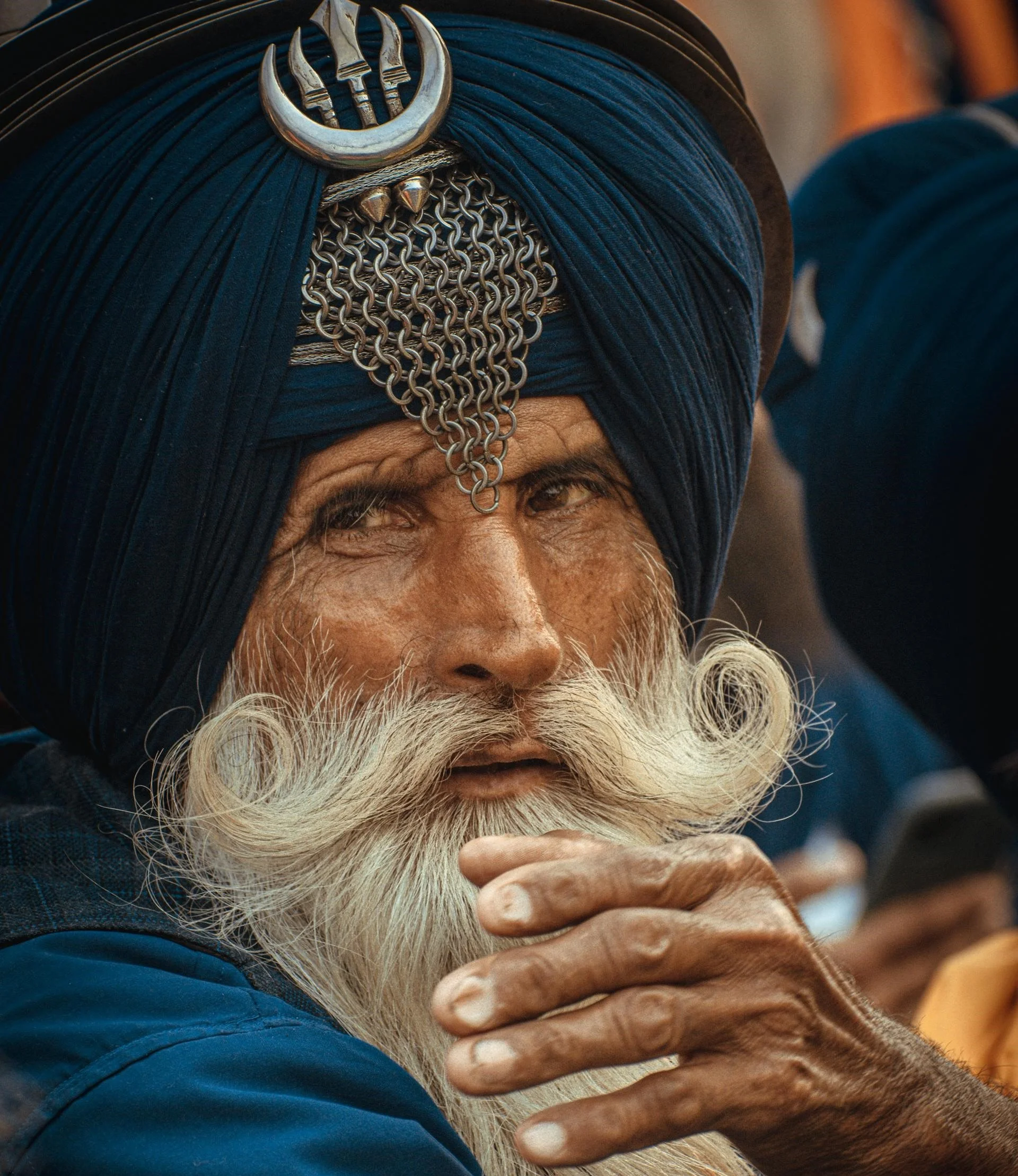
A Sikh from the Khalsa, the heavenly army of the Divine. Credits: Pexels
Based on the wisdom outlined above, exemplary and wise Sikhs who are initiated into the Khalsa embody the highest ideal of human maturity, love, wisdom, and selflessness. They stand firm against their inner weaknesses, advocate for unity, justice, peace, and a sovereign life of dignity and freedom. They live consciously in harmony with the higher wisdom of life (Hukam) and Mother Earth.
The Five External Marks of the Khalsa: Manifestation of Noble Virtues
The appearance of Sikhs who belong to the Khalsa is unique. They keep their hair uncut and cover the hair, which is tied into a topknot, with a turban. This turban, known as Dastar, represents the protective hand of the Divine. It expresses naturalness, dignity, humility, and respect for creation. They rebind their head covering daily. The topknot covers the sensitive area of the fontanelle. The turban provides protection from heat, cold, and head injuries.
In total, those who are part of the Khalsa community wear five uniform marks, known as the Panj Kakar (Five K's):
Uncut and Covered Hair (Keski, Kes) – Symbolizing naturalness, humility, devotion, and the turban representing humbleness, dignity and virtue.
Wooden Comb (Kanga) – Represents purity; used to comb the hair daily.
Iron Bracelet (Karha) – Symbolizes courage; multiple bracelets were worn during battles to protect against sword strikes and attacks.
Cotton Shorts (Kashaira) – Representing moral strength and responsibility; they cover the lower body and provide comfort.
Small Sword (Kirpan) – Symbolizes the grace of wisdom (ਗਿਆਨੁ ਖੜਗੁ), which removes the bad and preserves the good. Since the time of Gur Hargobind, Sikhs began carrying swords for self-defense after being increasingly persecuted.
Anandpur Sahib: A Living Memory and Spiritual Discipline
Every year, on Vaisakhi, around April 13th or 14th, Sikhs from all over the world gather in Anandpur Sahib. The city becomes a place of inner reflection, communal gratitude, and living remembrance. At the heart of this gathering are recitations and explanations from the Gurbani, heroic bardic songs, and displays of traditional self-defense arts such as Gatka and other forms from Shastar Vidya. These practices have been preserved and passed down for centuries, particularly by the spiritual warriors of defense, the Nihang.
The Nihang can be recognized by their blue attire and their distinctive turban technique, known as Dumala. They do not simply showcase physical skill, but embody a clear stance of fearlessness, discipline, and dedication to the well-being of the community – especially in turbulent times.
Documentation on the Spiritual Defense Warriors, the Nihang of the Khalsa - NOWNESS. Credits: Erik Morales, CANADA
Vaisakhi and Khalsa: Awakened Individuals Who Master the Art of Love with Pure Hearts
It is reasonable to assume that the choice of the harvest festival for the founding of the Khalsa and the naming of the Khalsa were intentional.
Naming: The word Khalsa (ਖ਼ਾਲਸਾ) is derived from the Arabic/Persian Khalis, meaning pure, undiluted, direct, or exclusive. The term Khalisa was used from the 13th century to describe lands or income that were not transferred to feudal intermediaries (Jagirdars) but were directly under the control of the ruler.
In the spiritual interpretation of Sikhi, Khalsa refers to an individual who is aware of their pure spiritual source and draws directly from it, no longer controlled by ephemeral thoughts, emotions, or societal trends. Bhagat Kabir, who lived in the 15th century in North India and is one of the most influential wise one, used the term in the following way:
ਕਹੁ ਕਬੀਰ ਜਨ ਭਏ ਖਾਲਸੇ ਪ੍ਰੇਮ ਭਗਤਿ ਜਿਹ ਜਾਨੀ ॥੪॥੩॥ GGS, 654, Bhagat Kabir
Kabir says: Awakened beings have become spiritual pure ones (of the heavenly army), who have mastered the art of devotional love.
Awakened beings are truly pure—those who embody the art of devotional love.
The verse emphasizes the importance of humility, pure love, and selfless dedication. These virtues lie at the heart of a truly pure person, a Khalsa.
Gratitude and Responsibility: Just as the harvest is celebrated as a gift from nature, spiritual maturity is seen as the fruit of a consciously lived life. The founding of the Khalsa connected this gratitude to creation with a clear commitment to the care of all beings.
Cycle and New Beginning: Vaisakhi marks a cyclical new beginning in nature. The Khalsa represents a spiritual renewal – not through mere rituals, but through a conscious decision to live a life filled with courage, fearlessness, and the overcoming of ego-driven constraints, social inequalities, and hierarchical group affiliations. Thus, Vaisakhi is not a singular event. Rather, it is a reflection of what has ripened within us. It is an invitation to renew our relationship with truth and creation with responsibility.
Celebration and Community: To this day, Vaisakhi is a day of community for Sikhs worldwide. In places like Anandpur Sahib, celebrations take place annually. The people present witness a living connection between spirituality, devotion, and a culture of remembrance.
Epilogue
The founding of the Khalsa in 1699 represents a profound expansion of Vaisakhi: it connects gratitude for nature with the commitment to steadfastly work for the well-being of people, animals, and nature. The historical and spiritual significance of this day makes Vaisakhi a symbol of renewal and courage, strengthening the bond between humanity, nature, and the Divine.
As with many other verses, the following words inspire us to reap the harvest of our spiritual seed beyond external calendars, continually celebrating our inner harvest festival in daily life. In the typical style of Gurbani, spiritual realization takes precedence over external labels:
ਨਾਨਕ ਵੈਸਾਖੀਂ ਪ੍ਰਭੁ ਪਾਵੈ ਸੁਰਤਿ ਸਬਦਿ ਮਨੁ ਮਾਨਾ ॥੬॥ GGS, 1108, M.1
Nanak, on Vaisakhi you recognize the Divine, and your heart is in harmony with the divine inner voice.
ਵੈਸਾਖੁ ਭਲਾ ਸਾਖਾ ਵੇਸ ਕਰੇ ॥ ਧਨ ਦੇਖੈ ਹਰਿ ਦੁਆਰਿ ਆਵਹੁ ਦਇਆ ਕਰੇ ॥ GGS, 1108, M.1
The time of Vaisakhu is blessed when the masks of hypocrisy are removed. Whoever approaches the inner door of the Divine with clear sight will be guided by compassion.