
Sikhi for children: What do Sikhs believe in?
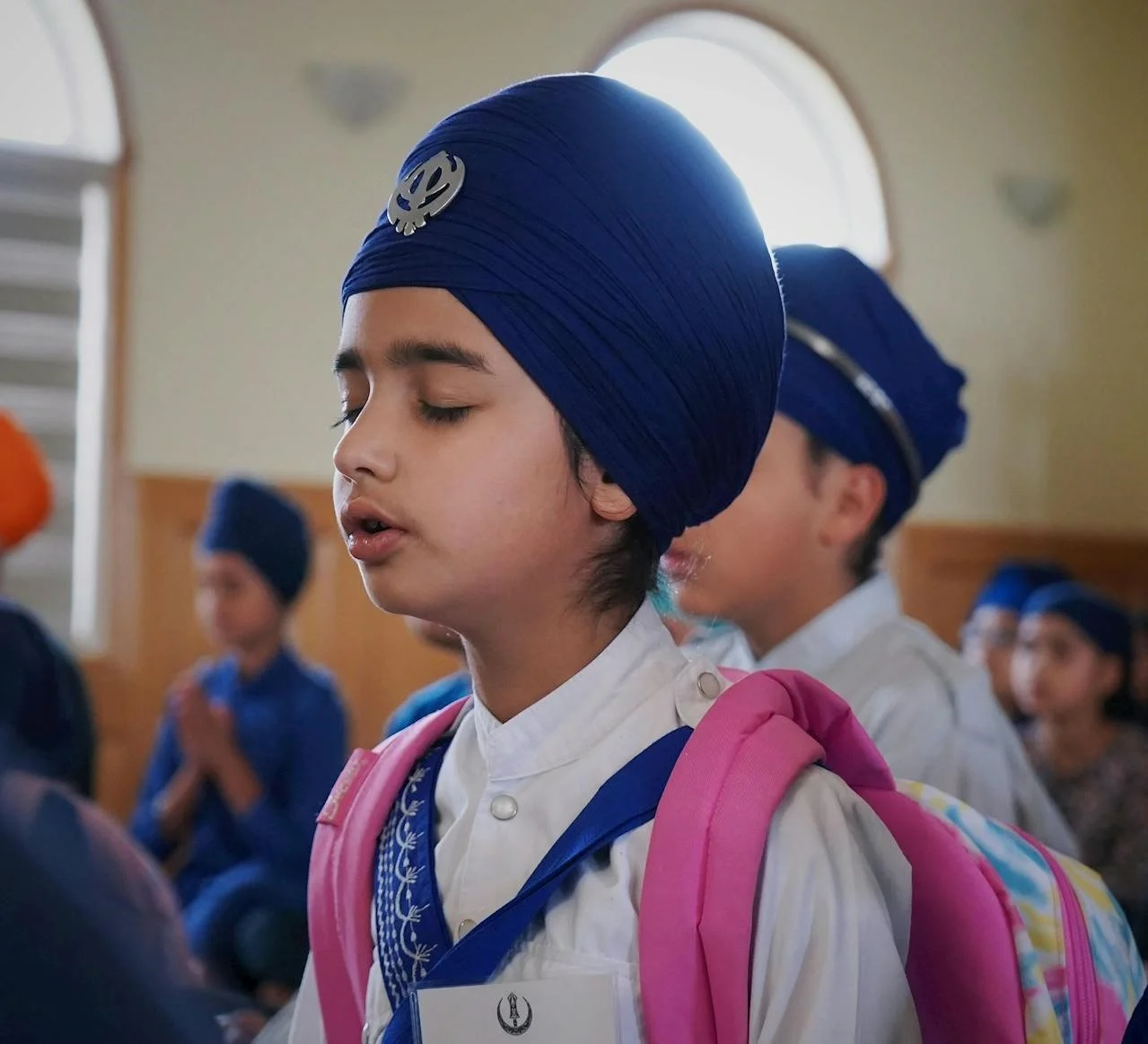
In Sikhi, the focus is on being a good person in everyday life - at home, in preschool, and at school. Sikhs find inspiration through the spiritual wisdom revealed in Gurbani. Credits: Pexles
Living a good life
"Sikhs live a life of joy, virtues, and wisdom. For them, wisdom means understanding life deeply. At the same time, they care about discovering who they are beyond their physical body. That includes loving and protecting nature and all the gifts of life. Virtues are good qualities like honesty, courage, patience, helpfulness, humility, and gratitude. For Sikhs, it’s very important to live these qualities every day.
Healthy and humble lifestyle
Sikhs want to live healthy and simple lives. That’s why they enjoy preparing fresh meals themselves and keeping their bodies fit. They avoid things that are harmful to themselves or others - like smoking, for example.
Sikhs buy only what they really need for a good and healthy life. They stay away from a lifestyle full of luxury. That means Sikhs don’t buy expensive things they don’t truly need. Fancy cars, expensive hobbies, or luxury vacations - like cruises across the ocean - often come at the cost of other people, animals, and nature. Sikhs try their best to live in a way that’s good for everyone - humans, animals, and the environment.
Being a Sikh: Lifelong learning
The word “Sikh” means student. This name shows that Sikhs want to keep learning their whole lives. They want to understand themselves better as spiritual beings and explore their deep connection to life and the universe. They ask themselves things like: Who am I really? Why do I get angry so quickly? And little by little, they try to turn the feeling of anger into a sense of fairness and justice.
Dastar: The meaning of the turban
Sikhi is not a religion centered on belief, strict rules or teachings. For Sikhs, the focus is on living with spiritual wisdom and trusting life and its natural flow. That’s why they, for example, do not cut their hair. Instead, they tie it into a knot at the top of their head and cover it with a turban. This turban is called a 'Dastar', which means 'the protective hand of the Divine'. The uncut hair and the Dastar, which Sikhs tie anew each morning, serve as daily reminders of a greater force that governs life. Wearing the turban reminds Sikhs to live humbly, while also carrying themselves with the dignity of a king.
The Wisdom of Sikhi: Divine recitations
For Sikhs, what matters most is being a good person in everyday life - at home, in preschool, at school, and later at work. They want to live with wisdom and virtue and use all the talents and gifts inside them.
Sikhs find inspiration in the wisdom of Sikhi. This wisdom is called Gurmat. It was first passed on by spoken word. From the 15th century onwards, the spiritual wisdom revealed to over 30 Wise Ones was written down in the Panjab region. These writings are called Gurbani. It was written in a beautiful new script-language with the name Gurmukhi. Gurbani doesn’t just sound like divine recitations - it is indeed full of poetic divinity. Sikhs sing the wisdoms slowly and lovingly. This helps them calm their minds and makes it easier to memorize the writings. In this way, they can gradually understand the verses and bring them to life.
TASKS
1. What does wisdom mean? What do virtues mean?
2. How can you tell if you are living a healthy life?
3. What do you think the world would be like if everyone living in a rich country owned a little bit less?
4. Name five qualities that describe you well.
5. What does the word Sikh mean? Why was this name chosen?
6. What do you do when you feel angry? How do you react when someone near you gets angry?
7. Do you have an idea how to use your anger for something good?
8. Why do Sikhs keep their hair uncut and wear a turban?
9. What is the wisdom of Sikhi called? Why is it sung?
10. What is something you really want to learn about yourself?
11. How can you tell when you’ve done something good? How can you tell when you’ve done something wrong?