Sikhi Summer Camp 2025: Love, self-realisation and living with wisdom in everyday life
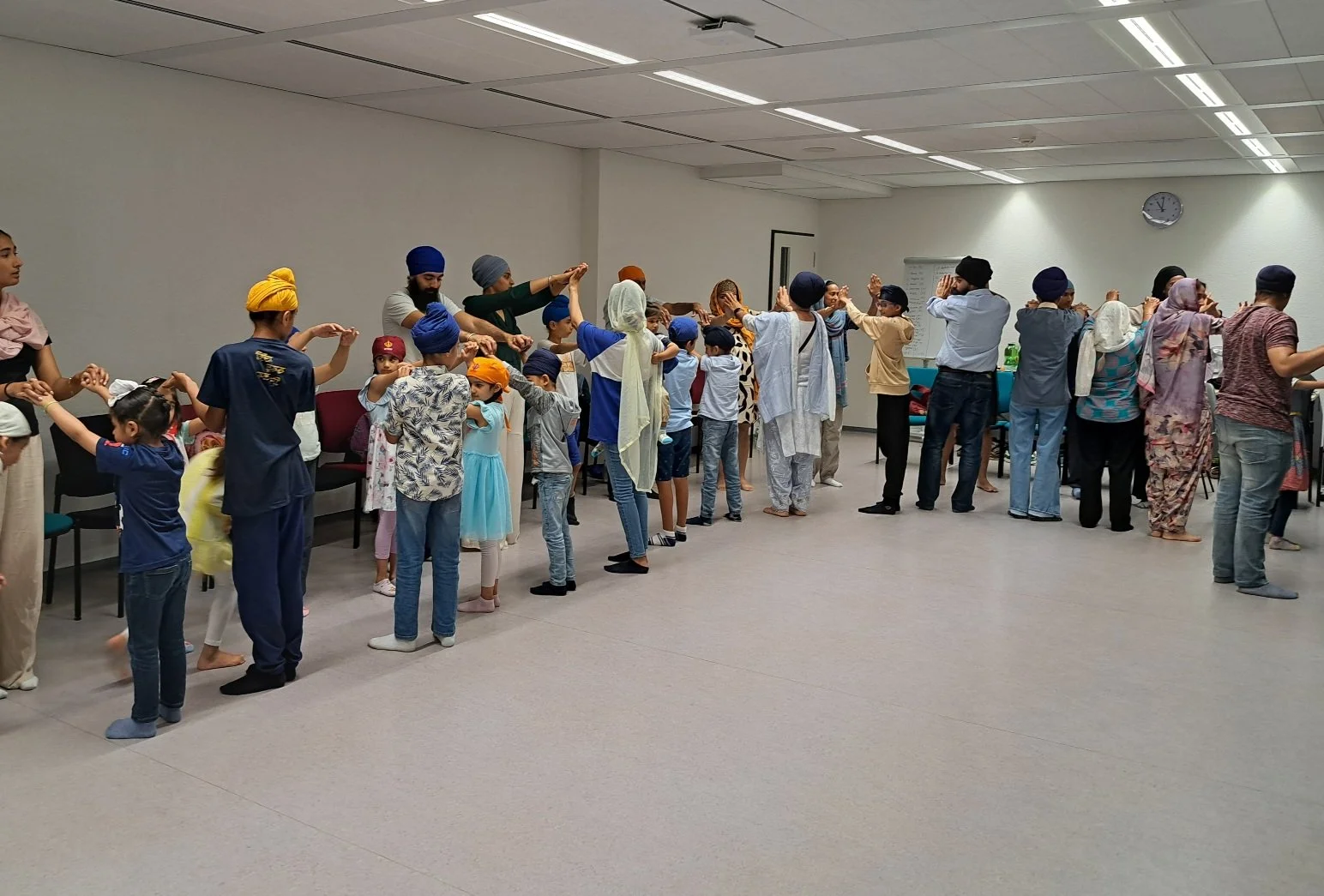
The Sikhi Summer Camp centred around a threefold focus: love, self-realisation, and bringing spiritual wisdom and virtues into everyday life. A spirit of warmth, humour, and joy was felt throughout all activities. The camp began and ended with a symbolic Eternal Circle: everything in life is interconnected. Together, we can shape our lives with more simplicity and delight. And once we realise that we are part of a greater whole, we naturally begin to relate to each other with love and respect. Credits: SikhiCouncil
Summer Sikh Camp with warmth and humour
In mid-July, participants of various age groups came together at the Office for Multicultural Affairs (AmkA) in Frankfurt to experience a truly special summer camp. What made this camp unique was not only the diversity of generations, but the shared learning, cooking, heartfelt interactions, humour, and joy that resonated throughout all activities - including excursions to the police and fire departments, and the concluding hike.
A) Core themes and getting to know one another
Grounded in the timeless spiritual wisdom known as Gurbani, which lies at the heart of Sikhi, the camp centred around a threefold focus: love, self-realisation, and bringing spiritual wisdom and virtues into everyday life.
ਸਾਚੁ ਕਹੋਂ ਸੁਨ ਲੇਹੁ ਸਭੈ ਜਿਨ ਪ੍ਰੇਮ ਕੀਓ ਤਿਨ ਹੀ ਪ੍ਰਭੁ ਪਾਇਓ ॥੯॥੨੯॥ DG, 12
ਮਨ ਤੂੰ ਜੋਤਿ ਸਰੂਪੁ ਹੈ ਆਪਣਾ ਮੂਲੁ ਪਛਾਣੁ ॥ GGS, 440, M.3
ਸਤਿਗੁਰ ਕੀ ਬਾਣੀ ਸਤਿ ਸਰੂਪੁ ਹੈ ਗੁਰਬਾਣੀ ਬਣੀਐ ॥ GGS, 304, M.3
The Five Beloved Ones
Young people and adults together shaped a week full of insights, practical experiences, and spiritual depth. Inspired by the Panj Piare – the first Five Beloved Ones of the community of the Pure, the Khalsa – participants began by jointly establishing five principles for a respectful and mindful gathering:
1. participate actively, 2. treat one another with respect, 3. listen attentively, 4. support each other, 5. let others finish speaking and avoid distractions.
Afterwards, participants introduced themselves. This round of introductions was accompanied by explanations of the traditional greeting “Wahe Guru Ji Ka Khalsa - Wahe Guru Ji Ki Fateh” and naming tradition in Sikhi, and the meanings of the names of the children and youth present.
Everything is connected – The Eternal Cycle of Life
The camp began and ended with a moving exercise which was called the Eternal Cycle of Life. Through this activity, the participants could physically sense what the wisdom of life teaches: everything is interconnected and in constant transformation. There is no beginning and no end – only movement, connection, and change.
In the exercise, two participants stand facing each other and form an arch by joining their hands above their heads. They position themselves so that a third person can walk beneath the arch. The person who walks through then starts a new arch. In this way, a tunnel gradually forms and the circle continues to grow. After the last person has passed through, the first person walks through the tunnel once more, continuing the Eternal Cycle.
Thus, at both the beginning and the end of the camp, a living circle emerged – one that could have continued endlessly, sustained by the cooperation and movement of the group. The exercise vividly conveyed: when we support one another, we can shape our lives more easily and with happiness. And when we recognize that we are part of something greater, we learn to relate to each other with care and compassion.
Highlights from the Sikhi Camp. Credits: SikhiCouncil
Ik Oankar – We came to become one
Each day at the camp was framed by devotional recitations, especially of the opening verse of Gurbani. It offers a metaphorical approach to the Divine (Guru) – and to reflect on our alienation from it.
ੴ ਸਤਿ ਨਾਮੁ ਕਰਤਾ ਪੁਰਖੁ ਨਿਰਭਉ ਨਿਰਵੈਰੁ ਅਕਾਲ ਮੂਰਤਿ ਅਜੂਨੀ ਸੈਭੰ ਗੁਰ ਪ੍ਰਸਾਦਿ ॥ GGS, 1, M.1
One Infinite Oneness
Essence of Truth
Creative Being
Without Fear
Without Enmity
Timeless Form
Beyond the Cycle of Birth and Death
Estranged from our true origin (we are due to our hubris but)
Through the Grace of Divine Spiritual Wisdom (we can heal and return home to our true spiritual family).
Throughout the week, participants spent many hours contemplating the commencing words. Particular attention was given to the meaning of the first two characters: ੴ – Ik Oankar. These are a reminder that all life forms are interconnected and an infinite whole. We are all interwoven – with one another, with the animal world and environment, with the principles of nature, and with life itself. We have come to become whole again, to realize this oneness inwardly, and to consciously strengthen it among all living beings.
ਯਾ ਜੁਗ ਮਹਿ ਏਕਹਿ ਕਉ ਆਇਆ ॥ GGS, 251, M.5
To keep these insights present throughout the week, the inspiring meaning of the opening verse was displayed in beautifully framed wooden artwork – a silent, yet powerful companion throughout the camp.
B) Foundations of a spiritual and holistic life
Transformation is a process, not a goal
The Eternal Cycle exercise and the reflections on the opening verse were connected with cosmic principles – for example, that everything in the universe is in motion. Expansion, transformation, and cyclical renewal are the essence of life. As explained in the theory of the Big Bang, everything moves, everything expands and eventually returns to its source – only to begin anew. Nothing stands still. This understanding supported a shift from linear to cyclical thinking and action. Those participants who understood that everything is in flux also realized: transformation is an ongoing process, not a destination.
ਕਈ ਕੋਟਿ ਖਾਣੀ ਅਰੁ ਖੰਡ ॥ ਕਈ ਕੋਟਿ ਅਕਾਸ ਬ੍ਰਹਮੰਡ ॥ ਕਈ ਕੋਟਿ ਹੋਏ ਅਵਤਾਰ ॥ ਕਈ ਜੁਗਤਿ ਕੀਨੋ ਬਿਸਥਾਰ ॥ ਕਈ ਬਾਰ ਪਸਰਿਓ ਪਾਸਾਰ ॥ ਸਦਾ ਸਦਾ ਇਕੁ ਏਕੰਕਾਰ ॥ ਕਈ ਕੋਟਿ ਕੀਨੇ ਬਹੁ ਭਾਤਿ ॥ ਪ੍ਰਭ ਤੇ ਹੋਏ ਪ੍ਰਭ ਮਾਹਿ ਸਮਾਤਿ ॥ ਤਾ ਕਾ ਅੰਤੁ ਨ ਜਾਨੈ ਕੋਇ ॥ ਆਪੇ ਆਪਿ ਨਾਨਕ ਪ੍ਰਭੁ ਸੋਇ ॥੭॥ GGS, 276, M.5
Especially in a capitalist society shaped by consumerism and excess – where “progress” is mainly understood materially and measured in terms of economic growth rather than the wellbeing of people, animals, and Mother Earth, this is an insight that can contribute to a changed attitude towards life.
Out of the comfort zone – Into the present moment
At the heart of the camp was self-inquiry and collective learning. The focus remained on three essential steps:
Understanding the essence of spiritual wisdom
Recognizing how this wisdom relates to my current life and situation
Applying it in a way that brings it to life in my everyday experience
Central to these reflections was the courage to step outside one’s comfort zone. This includes becoming aware of one’s own conditioning and mental patterns and opening up to new perspectives and attitudes. This was explored through the meaning of the word Sikh. It refers to a student who is always ready to learn and to evolve spiritually.
On the basis of Ik Oankar, the group discussed how to focus on the one thing that truly matters in the present moment. In doing so, scattered and chaotic thoughts can begin to form a harmonious and conscious stream. This also helps in not taking every (crazy) thought seriously and trying to bring it to life.
Honesty – Foundation for self-reflection
The group explored how essential it is to be honest with oneself. Self-awareness includes the ability to realistically recognize and accept one’s own strengths and weaknesses. This not only supports the spiritual path but also has very practical implications – for example, in choosing a career, working in a team, or organizing a camp. In addition, participants discussed the connection between discipline and respect, including keeping agreements. It became clear why Sikhi places great emphasis on authenticity, the alignment of word and action, and taking responsibility for one’s own behavior.
ਦਿਲਹੁ ਮੁਹਬਤਿ ਜਿੰਨੑ ਸੇਈ ਸਚਿਆ ॥ ਜਿਨੑ ਮਨਿ ਹੋਰੁ ਮੁਖਿ ਹੋਰੁ ਸਿ ਕਾਂਢੇ ਕਚਿਆ ॥੧॥ GGS, 488, Bahagt Sheikh Farid
ਫਰੀਦਾ ਜੇ ਤੂ ਅਕਲਿ ਲਤੀਫੁ ਕਾਲੇ ਲਿਖੁ ਨ ਲੇਖ ॥ ਆਪਨੜੇ ਗਿਰੀਵਾਨ ਮਹਿ ਸਿਰੁ ਨਂੀਵਾਂ ਕਰਿ ਦੇਖੁ ॥੬॥ GGS, 1378, Bahagt Sheikh Farid
The fever of egoism
A central theme of the reflections was how we deal with egoism and problems, and the need for a shift in perspective. Often, we do not realize that we place our own desires and limited perspectives above those of others – even when they bring harmful long-term consequences.
Virtues are the gauge of the fever of egoism that has overtaken us. The higher the fever, the less developed are our love, virtues, and wisdom – and the more dominant become our ego, vices, and inner darkness. Egoism makes us thin-skinned and aggressive. The stronger the egoism within us, the more quickly we personally feel attacked and strike back. The closer we come to healing, the more naturally wisdom, virtues such as patience and altruism as well as inner light emerge. For this reason, spirituality was described together with the young people in simplified terms as the divine path of recognizing our true self – leading us from the darkness of ignorance to the inner light. In this context, youngsters also discussed the symbolic meaning of heavenly colors for head coverings in Sikhi, like the Dastar.
Spiritual people solve problems – They don’t create them
During group discussions, it became clear that, out of fear of conflict or misunderstood notions of harmony and respect, we tend to suppress and avoid addressing problematic behavior. What’s needed, therefore, is courage, time, and spiritual maturity to speak openly, respectfully, and solution-oriented about difficulties and self-centered actions. This theme was summed up by the guiding motto: Spiritual people solve problems – they don’t create them.
Langar – Soul food and the four principles of cleansing
Throughout the week, the importance of making time for regular self-reflection even after the camp was emphasized – and to nourish oneself with Langar, soul food. Just as the body needs daily food to gain energy and regular washing to stay clean, so too does our soul require care and nourishment through divine wisdom.
ਲੰਗਰੁ ਚਲੈ ਗੁਰ ਸਬਦਿ ਹਰਿ ਤੋਟਿ ਨ ਆਵੀ ਖਟੀਐ ॥ GGS, 966, Balvande Te Sata
The group practiced incorporating four areas of purification into daily life, as this supports mindful and healthy living in harmony with nature:
One’s soul/heart
body
living space
environment
The topic of healthy living also addressed the advantages of avoid consuming alcohol, drugs, cigarettes, vapes, and similar substances.
C) Teamwork, communication, and sustainable support
Language shapes thought – Conscious communication
Another core theme of the camp was the reflection on how profoundly language influences our thinking. Participants were inspired to observe and speak consciously, openly, honestly and with respect. They were encouraged to write proper words and sentences, also in chats. Also the value of humor became apparent. Open-ended questions were explored as a valuable alternative to closed or rhetorical ones, as they create space for genuine dialogue.
The group also talked about the importance of not adopting (religious) terms unreflectively but rather exploring their origins – in order to understand their deeper meaning today. It became clear that it is better not to use words whose meaning is not truly understood. The group also briefly touched on the various forms of colonialization that subtly permeate our thinking and behaviour.
The younger children took a more hands-on approach: they shaped Gurmukhi letters out of clay, exploring the unique spiritual script-language of Sikhi.
Learning teamwork – Together we can achieve more
Building on what they had learned, the older youth designed a presentation project. In small groups, they worked on key questions from the German article Sikhi for Young People. The goal was to engage more deeply with the unique wisdom, values, and traditions of Sikhi. At the same time, the project was used to reflect on team dynamics and presentation techniques:
What makes teamwork succeed? Why and how do communication barriers arise? How can we deal with our own insecurities or shyness?
The young people learned how to define a project goal, distribute tasks according to team strengths, and express thoughts clearly and inspiringly. This task served as valuable preparation for quality-focused work in future school, career, and community initiatives.
How the wise ones of Sikhi lived in the middle ages – And what we can learn from them
The group also took a look at history: How did wise and enlightened beings like Gur Nanak, born in 1469, live in the Middle Ages? Or Bhagat Kabir, Gur Gobind Singh, and his four sons? What was the foundation for the successful teamwork of ten consecutive wise and enlightened ones over a span of more than 200 years? How did they preserve the revealed spiritual wisdom in written form (Pothi) while traveling across vast distances? How did they deal with the challenges of monsoon rains, heat, or persecution?
This historical perspective allowed for a recognition of how much worldly comforts we have today and yet how much we can learn from the spiritual, courageous, and humble lifestyle of the wise ones.
The highest and most sustainable form of help – Helping others to help themselves
Another key topic discussed was: What is good help? Together, the group reflected on why wise help does not consist in giving short-term material things – food, clothes, money – but in empowering people so that they can help themselves. Good help is sustainable, not repetitive. It uplifts people inwardly, makes them independent, and enables them to live with dignity. Help is at its purest when it arises intuitively from love – without the intention of “doing a good deed,” making deals, earning money, to raise funds or proselytizing.
D) Practical experiences and excursions
Visit to the fire brigade and police – Service to the community
The visits to the fire brigade and police illustrated how help is tangibly provided within present day society. The children and younger youth visited the volunteer fire station in Frankfurt-Nied and the police station in the Gallus district. Enthusiastically, they shared their impressions: they got hands-on experience operating a fire hose, learned how a fire truck functions, and were introduced to the core tasks of fire protection. At the police station, they discovered how fingerprints are analysed and matched using databases, and how handcuffs are put on. These experiences made the young people aware of how important professions are that serve the community. They recognised that such jobs deserve great appreciation – especially when carried out voluntarily.
Heartfelt thanks go to Mr. Müller from the police and to Mr. Trost and Mr. Stock from the fire brigade, who generously gave their time with patience and enthusiasm. It even seemed that they had successfully inspired some future recruits: several children expressed their wish to become police officers or join the fire brigade.
The seeds of life – The wonder of development
A particularly sensory project involved observing lentil seeds over several days. The children and youth planted them themselves, tended to them, painted pictures, and learned how life emerges from something seemingly small and insignificant. This made the value of life tangible – and highlighted the importance of mindful care for all that life gives us and for what we bring into life. Building on this, conscious shopping was also discussed. The participants expressed interest in trying to:
buy organic and regional produce,
avoid plastic packaging,
reduce the consumption of sweet and industrially processed products,
only purchase what is truly needed, and
grow their own vegetables and fruits whenever possible.
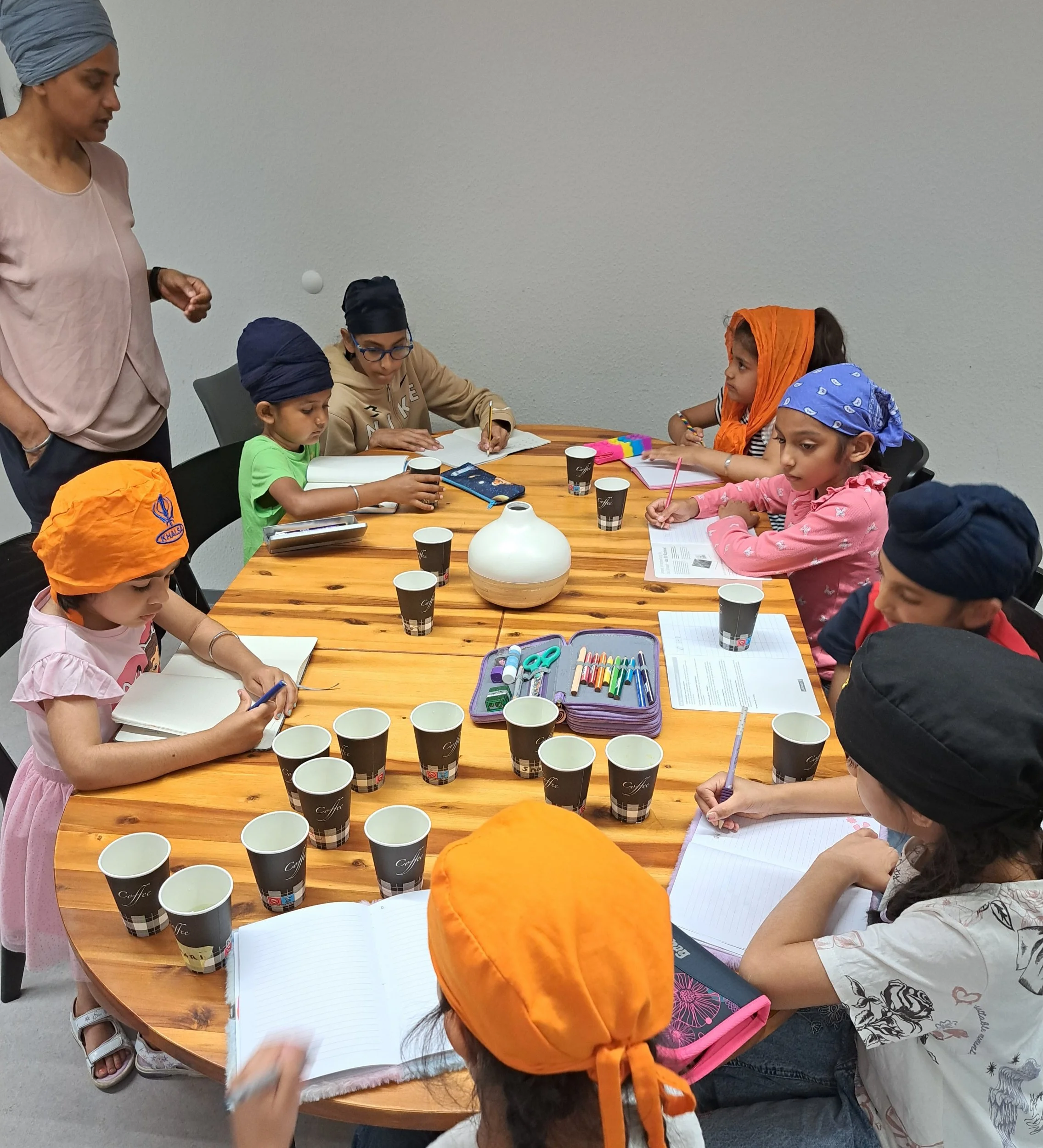
Children draw the growth of the lentil seeds they have planted. Credits: SikhiCouncil
Cooking with love – Enjoying healthy food together
Another highlight was the collective preparation of healthy meals. Children and youth chopped vegetables, prepared lentils, salad, and freshly made rotian (flatbread) with mindfulness – and the self-grown lentils were used directly in the salad. Through this, the participants learned how nourishing a healthy diet can be, and that lentils, when properly seasoned, taste far better than frozen meals or fast food. They experienced how much joy can come from cooking together and how this can be seen as an expression of care and love – both for oneself and for the community.
Movement, play and body awareness
Physical movement was also an essential part of the camp. The younger children especially enjoyed themselves with games such as dodgeball, “Chinese Wall” and various fitness and coordination exercises. Because those who learn to feel themselves can also better perceive others. Through play, the connection between body and soul was strengthened – and joy in movement was awakened. A special highlight was a forest hike with a picnic at an adventure playground in Fechenheim.
Inner journey – Experiencing mindfulness
As a balance to the physical activities, guided contemplation and mindfulness exercises helped participants return to themselves in silence and awareness. A fantasy journey to the mountains allowed them to feel how rain touches the skin, a rainbow appears in the sky, and a butterfly dances through the air. These exercises helped refine their perception, sharpen the senses, and bring inner calm.
Be part of it!
At the end of the camp, the participants completed an online knowledge quiz, received certificates of participation and handmade keychains with their names in Gurmukhi. All volunteer helpers were warmly thanked – including mothers, retirees and a widower. Without their time, loving commitment, and the food ingredients they provided, it would not have been possible to organise the camp!
This camp was a beginning – not an end. What remains is more than a memory: a growing sense that real spiritual growth begins within us. Stillness, mindfulness, respectful interaction, and small everyday changes sow the seeds of the transformation that brings us closer to our spiritual self – as a lived realisation and attitude. Those who feel connected to this kind of community-building, learning and living – and who find grand words, slogans, PR and “social” media noise uncomfortable – are warmly invited to join next time and to follow the WisdomTalk podcasts. Because, as the opening verse of the preserved spiritual wisdom of Gurbani reminds us: all is one. And you are a part of it!

At the end of the camp, the children and young people received self-written name tags in Gurmukhi as a gift. Credits: SikhiCouncil