Anand Karaj: Divine wedding of bliss in Sikhi and practical tips for couples
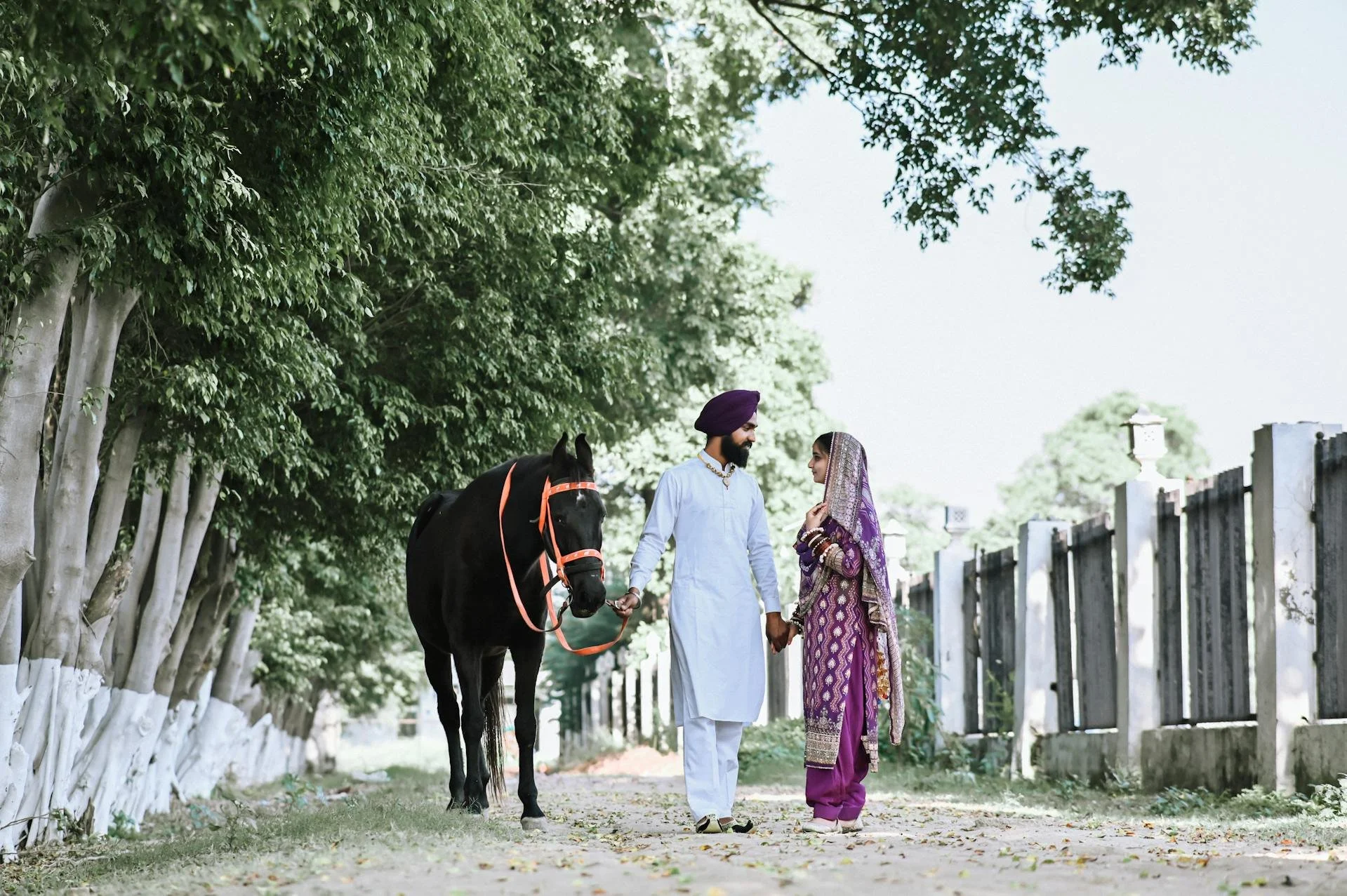
The article explains the deeper meaning of marriage in Sikhi and the Sikh wedding ceremony. It offers guidance on choosing a life partner and tips for a fulfilling partnership, including questions for self-reflection, and insights on how to recognize a toxic relationship. In Sikhi, marriage is a metaphor for spiritual evolution and enlightenment. The female, the soul bride, merges with the male, the Divine, like a raindrop dissolving into the ocean. In this union, ego, external attachments, and duality are extinguished. After countless reincarnations, the soul returns from its worldly exile to the realm of bliss, the homeland of all enlightened souls, the Divine (Sukh Sagar, Sach Khand).
Credits: Pexels
Gurmat: Living with wisdom
People who follow the Sikhi way of life are called Sikhs. Sikh means student. The term describes a person who is willing to grow spiritually and is guided by timeless wisdom. Being wise in Sikhi does not only mean knowing a lot about life. It expresses the ability to leave worldly conditionings, ideologies and beliefs behind, recognizing one's own spiritual origin and leading a meaningful and spiritual life full of joy and humour.
ਨਾਨਕ ਸਤਿਗੁਰਿ ਭੇਟਿਐ ਪੂਰੀ ਹੋਵੈ ਜੁਗਤਿ ॥ ਹਸੰਦਿਆ ਖੇਲੰਦਿਆ ਪੈਨੰਦਿਆ ਖਾਵੰਦਿਆ ਵਿਚੇ ਹੋਵੈ ਮੁਕਤਿ ॥੨॥ GGS, 522, M.5
The spiritual wisdom at the heart of Sikhi is called Gurmat. It was revealed to over 30 wise ones in the region known today as northern India and Pakistan. They all came from very different sociocultural backgrounds. Initially, the wisdom revealed to them was passed on orally. From the 15th century onwards, the wisdom was written down in the Panjab region. The first written collection of the revelations was initially called pothi. The content of the scripture is called Gurbani.
ਪੋਥੀ ਪਰਮੇਸਰ ਕਾ ਥਾਨੁ ॥ ਸਾਧਸੰਗਿ ਗਾਵਹਿ ਗੁਣ ਗੋਬਿੰਦ ਪੂਰਨ ਬ੍ਰਹਮ ਗਿਆਨੁ ॥੧॥ ਰਹਾਉ ॥ GGS, 1226, M.5
Today the complete oeuvre is known as Guru Granth Sahib (GGS). Further revelations by Gur Gobind Singh can be found in the Dasam Granth (DG). The revelations were written down in the specially developed script-language Gurmukhi. It is a poetic metaphorical language that is also sung. Gurmukhi is not easy to understand. Its deeper meaning beyond the individual letters and words needs to be pieced together like a puzzle and can only discovered with full consciousness.
Gurbani is an immeasurably valuable treasure for Sikhs. Sikhs have such a deep respect for the revealed spiritual wisdom that they bow down to the Guru Granth Sahib. They humbly acknowledge the depth of wisdom and are ready to put it into practice. From childhood, Sikhs learn the verses of Gurbani by heart and also sing them accompanied by instruments. Gradually, Sikhs try to understand the meaning of the wisdom and bring them to life through their everyday actions.
The merging of the drop with the ocean
Gurbani also contains the verses known today as Lavan. They symbolize the path to the highest virtue, wisdom, unity and enlightenment. The female, the soul bride (Suhagan), merges with the male, the Divine (Khasam), like a raindrop dissolving into the ocean. In this union (Yog), ego, external attachments, and duality are extinguished. After countless reincarnations, the soul finally returns from its worldly exile to the realm of bliss, the homeland of all enlightened souls (Sukh Sagar, Sach Khand).
ਨਾਨਕ ਸੋਹਾਗਣਿ ਸਾ ਵਡਭਾਗੀ ਜੇ ਚਲੈ ਸਤਿਗੁਰ ਭਾਏ ॥ ਹਮ ਨੀਵੀ ਪ੍ਰਭੁ ਅਤਿ ਊਚਾ ਕਿਉ ਕਰਿ ਮਿਲਿਆ ਜਾਏ ਰਾਮ ॥੨॥ GGS, 772, M.3
ਖਸਮੁ ਬਿਸਾਰਿ ਆਨ ਕੰਮਿ ਲਾਗਹਿ ॥ ਕਉਡੀ ਬਦਲੇ ਰਤਨੁ ਤਿਆਗਹਿ ॥੧॥ ਰਹਾਉ ॥ GGS, 195, M.5
ਜੈਸੇ ਬਾਜੇ ਬਿਨੁ ਨਹੀ ਲੀਜੈ ਫੇਰੀ ॥ ਖਸਮਿ ਦੁਹਾਗਨਿ ਤਜਿ ਅਉਹੇਰੀ ॥ ਕਹੈ ਕਬੀਰੁ ਏਕੈ ਕਰਿ ਕਰਨਾ ॥ ਗੁਰਮੁਖਿ ਹੋਇ ਬਹੁਰਿ ਨਹੀ ਮਰਨਾ ॥੪॥੬॥੯॥ GGS, 872, Bhagat Kabir
ਸਭ ਕੋ ਮਾਤ ਪਿਤਾ ਪ੍ਰਤਿਪਾਲਕ ਜੀਅ ਪ੍ਰਾਨ ਸੁਖ ਸਾਗਰੁ ਰੇ ॥ GGS, 209, M.5
ਸਬਦਿ ਗੁਰੂ ਭਵਸਾਗਰੁ ਤਰੀਐ ਇਤ ਉਤ ਏਕੋ ਜਾਣੈ ॥ ਚਿਹਨੁ ਵਰਨੁ ਨਹੀ ਛਾਇਆ ਮਾਇਆ ਨਾਨਕ ਸਬਦੁ ਪਛਾਣੈ ॥੫੯॥ GGS, 944, M.1
Sikhi marriage: Two souls, one heavenly goal
The verses symbolizing enlightenment are used today by Sikhs in the Anand Karaj marriage ceremony. A Sikh marriage involves both partners making a conscious decision to walk the wisdom-oriented and spiritual path of Gurmat together. Marriage is a profound spiritual promise to the Divine (Guru). According to Sikhi, a true partnership exists when both partners leave their past behind and embark on a spiritual and awakened path of life together in order to reach the heavenly goal of enlightenment. This attitude of devotion is symbolically expressed by the words “one soul in two bodies”:
ਧਨ ਪਿਰੁ ਏਹਿ ਨ ਆਖੀਅਨਿ ਬਹਨਿ ਇਕਠੇ ਹੋਇ ॥ ਏਕ ਜੋਤਿ ਦੁਇ ਮੂਰਤੀ ਧਨ ਪਿਰੁ ਕਹੀਐ ਸੋਇ ॥੩॥ GGS, 788, M.3
… Ek joti due murti …
Nevertheless, we are reminded that every person carries the potential for enlightenment within themselves. We are born alone. We will leave this life alone. The art of living is to follow one's own spiritual path in life without depending on others. In this way, spiritual people are alone and yet in community. They are independent and yet not lonely.
ਜੋ ਆਇਆ ਸੋ ਚਲਸੀ ਸਭੁ ਕੋਈ ਆਈ ਵਾਰੀਐ ॥ ਜਿਸ ਕੇ ਜੀਅ ਪਰਾਣ ਹਹਿ ਕਿਉ ਸਾਹਿਬੁ ਮਨਹੁ ਵਿਸਾਰੀਐ ॥ ਆਪਣ ਹਥੀ ਆਪਣਾ ਆਪੇ ਹੀ ਕਾਜੁ ਸਵਾਰੀਐ ॥੨੦॥ GGS, 474, M.1
ਜਿਹ ਮਾਰਗਿ ਇਹੁ ਜਾਤ ਇਕੇਲਾ ॥ ਤਹ ਹਰਿ ਨਾਮੁ ਸੰਗਿ ਹੋਤ ਸੁਹੇਲਾ ॥ GGS, 264, M.5
ਕਬੀਰ ਜਿਹ ਮਾਰਗਿ ਪੰਡਿਤ ਗਏ ਪਾਛੈ ਪਰੀ ਬਹੀਰ ॥ ਇਕ ਅਵਘਟ ਘਾਟੀ ਰਾਮ ਕੀ ਤਿਹ ਚੜਿ ਰਹਿਓ ਕਬੀਰ ॥੧੬੫॥ GGS, 1373, Bhagat Kabir
Choosing a suitable life partner
Consciously choosing a suitable life partner is part of an awakened, natural, and community oriented life. It is essential to determine whether the prospective partners share a common spiritual vision and fundamental values. It is also helpful if their lifestyles and levels of education are similar. It can additionally be useful to understand which basic personality types may be coming together. People are similar and yet different: their characteristics range from introverted, pragmatic, quiet, calm, thoughtful, modest, community oriented, and visionary to extroverted, extravagant, loud, fast paced, impulsive, showy, self-absorbed, and rational.
Depending on the family constellation, it is also important to assess whether the two immediate families are compatible. Alongside their way of life, other factors play a role, such as transgenerational experiences and trauma, financial circumstances, the way they communicate and use humor, cleanliness and order, and the importance they assign to family life and professional careers. Families traditionally made up of businesspeople or politicians generally have a different way of life than families with therapeutic, artistic, craft based, or scientific backgrounds. Overall, it is important to develop a holistic and long-term perspective when choosing a partner, one that reaches far beyond hormone driven infatuation, fleeting emotional states, and physical attractiveness.
ਜਾਣਹੁ ਜੋਤਿ ਨ ਪੂਛਹੁ ਜਾਤੀ ਆਗੈ ਜਾਤਿ ਨ ਹੇ ॥੧॥ ਰਹਾਉ ॥ GGS, 349, M.1
Masculine and feminine: The art of complementarity
When a woman and a man decide to begin a life together, they ideally possess a high degree of inner maturity. They are aware of what this step will entail in the future, especially if they wish to have children. It is therefore important for the couple to get to know each other well beforehand.
When young people engage with spiritual wisdom at an early stage, and then continue doing so as a couple, it also helps them explore the deeper meaning of masculinity, femininity, and partnership. This includes recognizing that two learners with different experiences and strengths are coming together. Ideally, masculine and feminine energies and perspectives complement one another. Timeless wisdom repeatedly calls attention to the principle of complementarity and purification. When people become conscious of their own masculine and feminine aspects, they can perceive and live out the forces provided by life more intuitively. These different forces are then not played against one another but used for one’s own growth. This leads not only to greater self-esteem, creativity, and contentment. It also improves communication, strengthens the bond between partners, and creates clarity - not only about their own strengths and weaknesses, but also about their respective areas of responsibility and what will be at the center of family life. If the couple is later blessed with children, both partners will have a natural foundation on which to build their family life with their offspring.
ਮੇਰਾ ਪਿਆਰਾ ਪ੍ਰੀਤਮੁ ਸਤਿਗੁਰੁ ਰਖਵਾਲਾ ॥ ਹਮ ਬਾਰਿਕ ਦੀਨ ਕਰਹੁ ਪ੍ਰਤਿਪਾਲਾ ॥ ਮੇਰਾ ਮਾਤ ਪਿਤਾ ਗੁਰੁ ਸਤਿਗੁਰੁ ਪੂਰਾ ਗੁਰ ਜਲ ਮਿਲਿ ਕਮਲੁ ਵਿਗਸੈ ਜੀਉ ॥੩॥ GGS, 94, M.4
ਗੁਰਦੇਵ ਮਾਤਾ ਗੁਰਦੇਵ ਪਿਤਾ ਗੁਰਦੇਵ ਸੁਆਮੀ ਪਰਮੇਸੁਰਾ ॥ ਗੁਰਦੇਵ ਸਖਾ ਅਗਿਆਨ ਭੰਜਨੁ ਗੁਰਦੇਵ ਬੰਧਿਪ ਸਹੋਦਰਾ ॥ ਗੁਰਦੇਵ ਦਾਤਾ ਹਰਿ ਨਾਮੁ ਉਪਦੇਸੈ ਗੁਰਦੇਵ ਮੰਤੁ ਨਿਰੋਧਰਾ ॥ GGS, 250, M.5
ਸੁੰਨ ਮੰਡਲ ਇਕੁ ਜੋਗੀ ਬੈਸੇ ॥ ਨਾਰਿ ਨ ਪੁਰਖੁ ਕਹਹੁ ਕੋਊ ਕੈਸੇ ॥ ਤ੍ਰਿਭਵਣ ਜੋਤਿ ਰਹੇ ਲਿਵ ਲਾਈ ॥ ਸੁਰਿ ਨਰ ਨਾਥ ਸਚੇ ਸਰਣਾਈ ॥੪॥ GGS, 685, M.1
ਪੁਰਖ ਮਹਿ ਨਾਰਿ ਨਾਰਿ ਮਹਿ ਪੁਰਖਾ ਬੂਝਹੁ ਬ੍ਰਹਮ ਗਿਆਨੀ ॥ ਧੁਨਿ ਮਹਿ ਧਿਆਨੁ ਧਿਆਨ ਮਹਿ ਜਾਨਿਆ ਗੁਰਮੁਖਿ ਅਕਥ ਕਹਾਨੀ ॥੩॥ GGS, 878, M.1
ਹਰਿ ਜੀ ਮਾਤਾ ਹਰਿ ਜੀ ਪਿਤਾ ਹਰਿ ਜੀਉ ਪ੍ਰਤਿਪਾਲਕ ॥ ਹਰਿ ਜੀ ਮੇਰੀ ਸਾਰ ਕਰੇ ਹਮ ਹਰਿ ਕੇ ਬਾਲਕ ॥ ਸਹਜੇ ਸਹਜਿ ਖਿਲਾਇਦਾ ਨਹੀ ਕਰਦਾ ਆਲਕ ॥ ਅਉਗਣੁ ਕੋ ਨ ਚਿਤਾਰਦਾ ਗਲ ਸੇਤੀ ਲਾਇਕ ॥ GGS, 1101, M.5
ਆਪੇ ਪੁਰਖੁ ਆਪੇ ਹੀ ਨਾਰੀ ॥ ਆਪੇ ਪਾਸਾ ਆਪੇ ਸਾਰੀ ॥ ਆਪੇ ਪਿੜ ਬਾਧੀ ਜਗੁ ਖੇਲੈ ਆਪੇ ਕੀਮਤਿ ਪਾਈ ਹੇ ॥੫॥ GGS, 1020, M.1
The Sikhi wedding: A ceremony with dignity and modesty
The Sikhi wedding ceremony takes place in the couple’s own home if Sikhs have sufficient space and if the Guru Granth Sahib can be kept there with dignity. If this is not possible, the ceremony may be held at the home of friends or relatives or within a religious community center (Gurdwara).
Sikhi emphasizes a dignified yet modest way of life in which inner and outer aspects form a harmonious whole. On the wedding day, family members and friends come together. They dress with dignity while remaining simple. Gold and other jewelry, as well as feathers on the turban (Kalgi), are ideally avoided. Sikhs also ensure that the surroundings are simple, clean, and dignified and free of pomp.
ਜੀਅਹੁ ਮੈਲੇ ਬਾਹਰਹੁ ਨਿਰਮਲ ॥ ਬਾਹਰਹੁ ਨਿਰਮਲ ਜੀਅਹੁ ਤ ਮੈਲੇ ਤਿਨੀ ਜਨਮੁ ਜੂਐ ਹਾਰਿਆ ॥ ਏਹ ਤਿਸਨਾ ਵਡਾ ਰੋਗੁ ਲਗਾ ਮਰਣੁ ਮਨਹੁ ਵਿਸਾਰਿਆ ॥ ਵੇਦਾ ਮਹਿ ਨਾਮੁ ਉਤਮੁ ਸੋ ਸੁਣਹਿ ਨਾਹੀ ਫਿਰਹਿ ਜਿਉ ਬੇਤਾਲਿਆ ॥ ਕਹੈ ਨਾਨਕੁ ਜਿਨ ਸਚੁ ਤਜਿਆ ਕੂੜੇ ਲਾਗੇ ਤਿਨੀ ਜਨਮੁ ਜੂਐ ਹਾਰਿਆ ॥੧੯॥ GGS, 919, M.3
ਜਿਨੑ ਮਨਿ ਹੋਰੁ ਮੁਖਿ ਹੋਰੁ ਸਿ ਕਾਂਢੇ ਕਚਿਆ ॥੧॥ GGS, 488, Bhagat Sheikh Farid
ਚਿਟੇ ਜਿਨ ਕੇ ਕਪੜੇ ਮੈਲੇ ਚਿਤ ਕਠੋਰ ਜੀਉ ॥ ਤਿਨ ਮੁਖਿ ਨਾਮੁ ਨ ਊਪਜੈ ਦੂਜੈ ਵਿਆਪੇ ਚੋਰ ਜੀਉ ॥ ਮੂਲੁ ਨ ਬੂਝਹਿ ਆਪਣਾ ਸੇ ਪਸੂਆ ਸੇ ਢੋਰ ਜੀਉ ॥੩॥ GGS, 751, M.1
ਪਾਖੰਡਿ ਪ੍ਰੇਮੁ ਨ ਪਾਈਐ ਖੋਟਾ ਪਾਜੁ ਖੁਆਰੁ ॥੧॥ GGS, 54, M.1
Sikhs give preference to equanimity and modesty over pompousness - even during celebrations. Diamonds, gold, iron and earth have the same inner value to them.
ਸੁਇਨਾ ਰੁਪਾ ਸੰਚੀਐ ਮਾਲੁ ਜਾਲੁ ਜੰਜਾਲੁ ॥ GGS, 63, M.1
ਰਸੁ ਸੁਇਨਾ ਰਸੁ ਰੁਪਾ ਕਾਮਣਿ ਰਸੁ ਪਰਮਲ ਕੀ ਵਾਸੁ ॥ ਰਸੁ ਘੋੜੇ ਰਸੁ ਸੇਜਾ ਮੰਦਰ ਰਸੁ ਮੀਠਾ ਰਸੁ ਮਾਸੁ ॥ ਏਤੇ ਰਸ ਸਰੀਰ ਕੇ ਕੈ ਘਟਿ ਨਾਮ ਨਿਵਾਸੁ ॥੨॥ GGS, 15, M.1
ਕਪੜਿ ਭੋਗਿ ਲਪਟਾਇਆ ਸੁਇਨਾ ਰੁਪਾ ਖਾਕੁ ॥ GGS, 42, M.5
ਪ੍ਰਭ ਕੀ ਆਗਿਆ ਆਤਮ ਹਿਤਾਵੈ ॥ ਜੀਵਨ ਮੁਕਤਿ ਸੋਊ ਕਹਾਵੈ ॥ ਤੈਸਾ ਹਰਖੁ ਤੈਸਾ ਉਸੁ ਸੋਗੁ ॥ ਸਦਾ ਅਨੰਦੁ ਤਹ ਨਹੀ ਬਿਓਗੁ ॥ ਤੈਸਾ ਸੁਵਰਨੁ ਤੈਸੀ ਉਸੁ ਮਾਟੀ ॥ GGS, 275, M.5
ਉਸਤਤਿ ਨਿੰਦਾ ਦੋਊ ਬਿਬਰਜਿਤ ਤਜਹੁ ਮਾਨੁ ਅਭਿਮਾਨਾ ॥ ਲੋਹਾ ਕੰਚਨੁ ਸਮ ਕਰਿ ਜਾਨਹਿ ਤੇ ਮੂਰਤਿ ਭਗਵਾਨਾ ॥੧॥ GGS, 1123, Bhagat Kabir
A team grows together
As the time for the ceremony approaches, everyone present gathers before the Guru Granth Sahib. Traditionally, it is kept on an elevated pedestal and treated with respect. Everyone first bows before the Guru Granth Sahib and then sits cross-legged on the floor while wisdom concerning the topic of spiritual union is recited with instrumental accompaniment.
Usually, the groom arrives first with his entourage. The bride follows shortly afterward with her people. Once the opening recitations have ended, the couple leaves its place and sits in the center before the Guru Granth Sahib. The bride sits on the left and the groom on the right. He carries a long cloth (Palla) and a sword. The parents, close relatives, or friends sit behind the couple. A brief prayer follows in preparation for the upcoming wedding. A verse from the Guru Granth Sahib is then selected at random and presented and explained as a source of inspiration.
Now the bride's father takes one end of the cloth from the groom and places it in his daughter’s hand. The following verse is usually spoken and explained:
ਉਸਤਤਿ ਨਿੰਦਾ ਨਾਨਕ ਜੀ ਮੈ ਹਭ ਵਞਾਈ ਛੋੜਿਆ ਹਭੁ ਕਿਝੁ ਤਿਆਗੀ ॥ ਹਭੇ ਸਾਕ ਕੂੜਾਵੇ ਡਿਠੇ ਤਉ ਪਲੈ ਤੈਡੈ ਲਾਗੀ ॥੧॥ GGS, 963, M.5
The verse expresses that all relationships are finite and that only the inner connection with the Divine is forever. The cloth symbolizes the bond of spirituality and shared virtues and values that can now grow stronger between the Divine, the couple, and both families. The couple is reminded to see both families ideally as one unit from this point forward. Whenever the couple has to make an important decision or encounters a problem or a desire, they should not allow themselves to be guided by short term self-interest but by wisdom and the wellbeing of the family as a whole. The sword carried by the groom symbolizes this wisdom (Gian Khadag). It enables a person to distinguish good from evil and overcome the root of all evil, namely the illusion of hubris (Bharam), along with all the vices that arise from it, such as desire (Kam), anger (Krodh), greed (Lobh), attachment (Moh), and egotism (Ahankar). The cloth and the sword are inspirations to become a truly spiritual team and meet life’s challenges together with foresight.
ਸਤਿਗੁਰਿ ਗਿਆਨ ਖੜਗੁ ਹਥਿ ਦੀਨਾ ਜਮਕੰਕਰ ਮਾਰਿ ਬਿਦਾਰੇ ॥ GGS, 574, M.4
ਗਿਆਨ ਖੜਗੁ ਲੈ ਮਨ ਸਿਉ ਲੂਝੈ ਮਨਸਾ ਮਨਹਿ ਸਮਾਈ ਹੇ ॥੩॥ GGS, 1022, M.1
ਗਿਆਨ ਖੜਗ ਪੰਚ ਦੂਤ ਸੰਘਾਰੇ ਗੁਰਮਤਿ ਜਾਗੈ ਸੋਇ ॥ GGS, 1414, M.3
ਜਿਤੁ ਕੀਤਾ ਪਾਈਐ ਆਪਣਾ ਸਾ ਘਾਲ ਬੁਰੀ ਕਿਉ ਘਾਲੀਐ ॥ ਮੰਦਾ ਮੂਲਿ ਨ ਕੀਚਈ ਦੇ ਲੰਮੀ ਨਦਰਿ ਨਿਹਾਲੀਐ ॥ GGS, 473, M.2
ਫੂਟੋ ਆਂਡਾ ਭਰਮ ਕਾ ਮਨਹਿ ਭਇਓ ਪਰਗਾਸੁ ॥ ਕਾਟੀ ਬੇਰੀ ਪਗਹ ਤੇ ਗੁਰਿ ਕੀਨੀ ਬੰਦਿ ਖਲਾਸੁ ॥੧॥ ਆਵਣ ਜਾਣੁ ਰਹਿਓ ॥ ਤਪਤ ਕੜਾਹਾ ਬੁਝਿ ਗਇਆ ਗੁਰਿ ਸੀਤਲ ਨਾਮੁ ਦੀਓ ॥੧॥ ਰਹਾਉ ॥ GGS, 1002, M.5
The ceremony of the four verses: The stages to enlightenment
The central wedding ceremony begins with the recitation of four verses by the wise one Gur Ram Das. They describe the path from spiritual self-realisation to enlightenment. The verses repeatedly mention the four symbolic treasures (Char Padarath) that can be discovered during the spiritual evolution of the soul. They refer to the key stages that must be climbed on the way to full enlightenment:
Gian: internalizing spiritual wisdom in everyday life
Mukti/Prem: overcoming worldliness and attachment to impermanence and developing unconditional love
Nam: recognizing the true essence of life, which makes it possible to lead a life without duality intuitively and in harmony with the higher wisdom of life (Hukam)
Janam: the state of complete awakening and the rebirth on the level of full consciousness shared by all enlightened souls
ਕਹਿ ਕਬੀਰ ਤੁਮ ਸੰਮ੍ਰਥ ਦਾਤੇ ਚਾਰਿ ਪਦਾਰਥ ਦੇਤ ਨ ਬਾਰ ॥੨॥੭॥ GGS, 856, Bhagat Kabir
ਸਤਿਗੁਰ ਕੈ ਵਸਿ ਚਾਰਿ ਪਦਾਰਥ ॥ ਤੀਨਿ ਸਮਾਏ ਏਕ ਕ੍ਰਿਤਾਰਥ ॥੫॥ GGS, 1345, M.1
ਗਿਆਨ ਪਦਾਰਥੁ ਪਾਈਐ ਤ੍ਰਿਭਵਣ ਸੋਝੀ ਹੋਇ॥ GGS, 60, M.1
ਮੁਕਤਿ ਪਦਾਰਥੁ ਪਾਈਐ ਅਵਗਣ ਮੇਟਣਹਾਰੁ॥੧॥ GGS, 59, M.1
ਪ੍ਰੇਮ ਪਦਾਰਥੁ ਪਾਈਐ ਗੁਰਮੁਖਿ ਤਤੁ ਵੀਚਾਰੁ॥ GGS, 61, M.1
ਗ੍ਰਿਹੁ ਸਰੀਰੁ ਗੁਰਮਤੀ ਖੋਜੇ ਨਾਮੁ ਪਦਾਰਥੁ ਪਾਏ॥੮॥ GGS, 1013, M.1
ਜਨਮੁ ਪਦਾਰਥੁ ਨਾਨਕ ਜਿਤਾ॥੨॥ GGS, 101, M.5
ਨਾਮੁ ਧਿਆਇਨਿ ਸਾਜਨਾ ਜਨਮ ਪਦਾਰਥੁ ਜੀਤਿ॥ GGS, 1425, M.3.
The recitation of the four verses by the wise one Gur Ram Das during the wedding is traditionally performed by Sikhs close to the couple, accompanied by instruments. They do this out of love for the Divine and for the couple. The first verse begins with the following words:
ਹਰਿ ਪਹਿਲੜੀ ਲਾਵ ਪਰਵਿਰਤੀ ਕਰਮ ਦ੍ਰਿੜਾਇਆ ਬਲਿ ਰਾਮ ਜੀਉ ॥
Hari pahelrri lav … GGS, 773, M.4
The central message is to allow oneself to be guided by the power and wisdom of the Divine (Bale Ram), rather than by fleeting thoughts and feelings. This wisdom serves as a resource that can be consulted at any time. This requires both partners to maintain a humble and respectful attitude. Gossip, their respective egos, trends, and the conditioning of a capitalist, linear, and fast paced world should not set the tone of the relationship. The higher wisdom of life should do so. At the same time, the verses inspire the partners to respect each other’s uniqueness and not to cross personal boundaries, including during conflicts. In this way, the foundations for a loving relationship are established at an early stage, leaving no room for toxic patterns or psychological and physical violence to spread.
The marriage with the Divine
Unlike in past days, when the couple remained seated, it is customary today for the couple to circle the Guru Granth Sahib once in a clockwise direction with slow steps during each of the four verses. Among the Nihang, the tradition of the spiritual defense warriors, the Guru Granth Sahib is circled in the opposite direction. In both variations, the groom walks ahead. The bride follows him, connected to him by the cloth. The circling begins as soon as the word Nanak is spoken in each verse. Gur Nanak is the first in the line of ten successive wise ones and describes a person who has attained complete unity. The couple bows, stands up, and moves slowly and with dignity around the Guru Granth Sahib. One circuit lasts as long as the recitation of one sequence of verses. After each circuit, the couple bows together before the Guru Granth Sahib and sits down while the verse is repeated without instrumental accompaniment.
Strengthening strengths, weakening weaknesses
After the fourth circuit, the recitation of the four verses is complete. A wise Sikh now explains the meaning of the verses, ideally someone from the couple’s circle of friends or family, and once again offers guidance for a blissful married life. The couple is reminded of spiritual awareness, unconditional love, lived wisdom, righteousness, humility, faithfulness, commitment to family, and devotion to the common good. The bride and groom are encouraged to strengthen each other’s strengths, reduce each other’s weaknesses, and place the spiritual and physical wellbeing of the entire family, as well as the wellbeing of humanity, above individual interests. The couple should discuss disagreements at home, but not in front of others. Ultimately, the couple and everyone present are inspired to bring all the wisdom they have been given to life in everyday practice.
ਪ੍ਰੇਮ ਪ੍ਰੀਤਿ ਸਦਾ ਧਿਆਈਐ ਭੈ ਭਾਇ ਭਗਤਿ ਦ੍ਰਿੜਾਵਣਿਆ ॥੪॥ GGS, 112, M.3
ਸਾਚੁ ਕਹੌਂ ਸੁਨ ਲੇਹੁ ਸਭੈ ਜਿਨ ਪ੍ਰੇਮੁ ਕੀਓ ਤਿਨ ਹੀ ਪ੍ਰਭੁ ਪਾਇਓ ॥੯॥੨੯॥ DG, 15
ਕਹੁ ਕਬੀਰ ਜਨ ਭਏ ਖਾਲਸੇ ਪ੍ਰੇਮ ਭਗਤਿ ਜਿਹ ਜਾਨੀ ॥੪॥੩॥ GGS, 654, Bhagat Kabir
ਸਤਿਗੁਰ ਕੀ ਬਾਣੀ ਸਤਿ ਸਰੂਪੁ ਹੈ ਗੁਰਬਾਣੀ ਬਣੀਐ ॥ GGS, 304, M.4
The following verses are often recited afterward:
ਵੀਆਹੁ ਹੋਆ ਮੇਰੇ ਬਾਬੁਲਾ ਗੁਰਮੁਖੇ ਹਰਿ ਪਾਇਆ ॥ ਅਗਿਆਨੁ ਅੰਧੇਰਾ ਕਟਿਆ ਗੁਰ ਗਿਆਨੁ ਪ੍ਰਚੰਡੁ ਬਲਾਇਆ ॥ ਬਲਿਆ ਗੁਰ ਗਿਆਨੁ ਅੰਧੇਰਾ ਬਿਨਸਿਆ ਹਰਿ ਰਤਨੁ ਪਦਾਰਥੁ ਲਾਧਾ ॥ ਹਉਮੈ ਰੋਗੁ ਗਇਆ ਦੁਖੁ ਲਾਥਾ ਆਪੁ ਆਪੈ ਗੁਰਮਤਿ ਖਾਧਾ ॥ ਅਕਾਲ ਮੂਰਤਿ ਵਰੁ ਪਾਇਆ ਅਬਿਨਾਸੀ ਨਾ ਕਦੇ ਮਰੈ ਨ ਜਾਇਆ ॥ ਵੀਆਹੁ ਹੋਆ ਮੇਰੇ ਬਾਬੋਲਾ ਗੁਰਮੁਖੇ ਹਰਿ ਪਾਇਆ ॥੨॥
Veahu hoa mera babula ... GGS, 78, M.4
These verses likewise describe the meaning of spiritual union: egotism, ignorance, and worldly attachments have been overcome through spiritual wisdom. The spiritual person, called Gurmukh, is now married to the Creator, the true and eternal husband.
Divine recitation on marriage as a symbol of purification and enlightenment by Ravinderpal Singh.
Credits: Gurlal Singh
Langar: Soul food and true fasting
The ceremony concludes with a recitation of the verses of eternal spiritual bliss, called Anand Sahib. This is followed by the closing prayer for everyone present. Usually, another verse of inspiration is then selected at random from the Guru Granth Sahib. The couple is now considered married.
The culinary part of the wedding celebrations now begins. The traditional sweet dish Parshad is distributed before the communal meal is enjoyed. Before the meal begins, everyone remembers the giver of all the gifts of life.
ਦਦਾ ਦਾਤਾ ਏਕੁ ਹੈ ਸਭ ਕਉ ਦੇਵਨਹਾਰ ॥ ਦੇਂਦੇ ਤੋਟਿ ਨ ਆਵਈ ਅਗਨਤ ਭਰੇ ਭੰਡਾਰ ॥ GGS, 257, M.5
ਜਿਸ ਦਾ ਦਿਤਾ ਖਾਵਣਾ ਤਿਸੁ ਕਹੀਐ ਸਾਬਾਸਿ ॥ ਨਾਨਕ ਹੁਕਮੁ ਨ ਚਲਈ ਨਾਲਿ ਖਸਮ ਚਲੈ ਅਰਦਾਸਿ ॥੨੨॥ GGS, 474, M.2
Beforehand, Sikhs make sure that fresh, healthy, and simple food is prepared in appropriate quantities. They avoid throwing food away. Whenever possible, regional organic products are used. Excess preservatives, greasy foods, alcohol, and drugs are avoided.
Ideally, the couple and their families are aware that being continually nourished by spiritual wisdom lies at the heart of being Sikh. In Sikhi, the internalization of spiritual wisdom is therefore also called Langar, nourishment for the soul. The bride and groom remind each other of the importance of regular spiritual inspiration while lovingly caring for the physical wellbeing of those present. They also keep in mind that from now on they will cultivate the art of true fasting, Sach Varat, together. With this attitude, metaphorically described as fasting, a person intuitively avoids everything that is harmful in the long-term spiritually and physically to themselves, their surroundings, and nature. Based on inner insight, everything that could cause individual or collective harm is avoided. This is cultivated continuously, rather than only at a time determined from the outside.
ਓਨੑੀ ਦੁਨੀਆ ਤੋੜੇ ਬੰਧਨਾ ਅੰਨੁ ਪਾਣੀ ਥੋੜਾ ਖਾਇਆ ॥ GGS, 466, M.2
ਫਿਟੁ ਇਵੇਹਾ ਜੀਵਿਆ ਜਿਤੁ ਖਾਇ ਵਧਾਇਆ ਪੇਟੁ ॥ GGS, 790, M.1
ਸੁਆਦ ਲੁਭਤ ਇੰਦ੍ਰੀ ਰਸ ਪ੍ਰੇਰਿਓ ਮਦ ਰਸ ਲੈਤ ਬਿਕਾਰਿਓ ਰੇ ॥ GGS, 335, Bhagat Kabir
ਅੰਮ੍ਰਿਤ ਕਾ ਵਾਪਾਰੀ ਹੋਵੈ ਕਿਆ ਮਦਿ ਛੂਛੈ ਭਾਉ ਧਰੇ ॥੨॥ GGS, 360, M.1
ਸਾਚ ਛਾਡਿ ਕੈ ਝੂਠਹ ਲਾਗਿਓ ਜਨਮੁ ਅਕਾਰਥੁ ਖੋਇਓ ॥ ਕਰਿ ਪਰਪੰਚ ਉਦਰ ਨਿਜ ਪੋਖਿਓ ਪਸੁ ਕੀ ਨਿਆਈ ਸੋਇਓ ॥੧॥ GGS, 633, M.9
ਲੰਗਰੁ ਚਲੈ ਗੁਰ ਸਬਦਿ ਹਰਿ ਤੋਟਿ ਨ ਆਵੀ ਖਟੀਐ ॥ GGS, 966, Balvande Te Sata
ਬ੍ਰਹਮ ਗਿਆਨੀ ਕਾ ਭੋਜਨੁ ਗਿਆਨ ॥ ਨਾਨਕ ਬ੍ਰਹਮ ਗਿਆਨੀ ਕਾ ਬ੍ਰਹਮ ਧਿਆਨੁ ॥੩॥ GGS, 272, M.5
ਸਚੁ ਵਰਤੁ ਸੰਤੋਖੁ ਤੀਰਥੁ ਗਿਆਨੁ ਧਿਆਨੁ ਇਸਨਾਨੁ ॥ ਦਇਆ ਦੇਵਤਾ ਖਿਮਾ ਜਪਮਾਲੀ ਤੇ ਮਾਣਸ ਪਰਧਾਨ ॥ GGS, 1245, M.1
After the communal meal, those present share their joy, sometimes through performances of traditional martial arts from the Nihang tradition, until the couple finally withdraws into the well-deserved privacy of their time together.
Practical tips for couples
Reflect on the following questions at regular intervals and discuss them calmly as a couple:
How often do I make us laugh?
How often, and in what ways, do I express gratitude, respect, and love to my partner?
What is our shared spiritual vision as a couple?
What are my strengths and weaknesses?
What do I need to do to strengthen my strengths and reduce my weaknesses?
What are my three greatest challenges in leading a meaningful and contented life?
What are my three greatest challenges in having a fulfilling partnership?
What do I contribute to strengthening harmony and trust in our partnership?
Where does my behavior weaken harmony and trust in our partnership?
Do I follow Nonviolent Communication? This includes describing my perception, explaining the impact, and expressing a wish. Nonviolent Communication focuses on empathy, respectful language, and constructive solutions and is based on the fundamental principles of observation, feeling, need, and a request for action.
After making mistakes, am I able to say sincerely and intuitively, “I’m truly sorry from the bottom of my heart”? If not, why? If so, does a lasting change in behavior follow?
Do I express needs, requests, and wishes, or do I give orders and make accusations?
Am I guided primarily by natural needs or by insatiable desires?
Am I torn back and forth in my thoughts, attitude, and behavior, with my mind often racing, or am I clear within myself and in my actions?
Am I able to observe my feelings like a passing cloud, or am I a slave to my feelings?
Am I trying to change myself or my partner?
Do I set boundaries? If so, are they respected? If not, why not?
What am I doing to continue learning? What am I doing so that we can continue to grow as a couple?
What changes can I initiate myself with the help of spiritual wisdom? What lies beyond my control?
If we wish to have children: have I truly attained the inner maturity required to take responsibility for children and accompany them holistically through life?
You can do the following together as a couple:
Be consciously present in the here and now and notice yourselves and life - neither planning anything nor engaging in a specific activity.
Recite wisdom calmly and reflect upon it in relation to your current challenges (with the help of wise people).
Spend time in nature.
Make sure that quality always comes before quantity. This applies especially to parents. It is also advisable to consciously enable your child to take part in an activity, such as a club, where they have the most fun, rather than creating stress through an overloaded schedule of leisure activities.
Exercise regularly.
Prepare fresh food with love.
Regularly set aside family time during which the phone is kept on silent.
Read an inspiring book together, listen to a podcast (WisdomTalk Podcasts), or watch a film (see the Recommendations section).
Clean and beautify your home together, and tend to the garden if you have one.
Discuss together which contraceptive method is as natural and appropriate as possible for your current circumstances.
Regularly spend time together as a couple and talk calmly with one another, especially if you are parents. You are smart enough to organize this time together.
Do volunteer work that sustainably strengthens people’s potential and social cohesion, contributes to environmental protection, and helps people in need.
Warning signs
If you observe that people in your surroundings or your partner are repeatedly, consciously or unconsciously, pulling you away from a life-affirming spiritual way of life, consider which consequences you want to draw. Conversations with wise people can be helpful in this regard.
If you repeatedly notice that your partner lies to you, cheats on you, exploits you financially or mentally, emotionally blackmails you, behaves manipulatively, uses other forms of psychological violence such as defamation, or even uses physical violence, while staging a reversal of perpetrator and victim, you are living in a toxic relationship. Confide in wise people. Depending on the circumstances, it may be advisable to seek professional help as quickly as possible.
If you recurrently observe that your partner neglects the children, acts narcissistically and irresponsibly with short-sightedness, is addicted to alcohol or drugs, and endangers the long-term wellbeing of everyone, confide in wise people. Depending on the situation, it may be appropriate to seek professional support quickly.
An example of a dignified wedding among Sikhs from the Nihang, a spiritual-warrior martial-defense tradition.
Credits: Nihangbachittar_satinder
The entire four verses of the Lavan are as follows:
ਸੂਹੀ ਮਹਲਾ ੪ ॥
ਹਰਿ ਪਹਿਲੜੀ ਲਾਵ ਪਰਵਿਰਤੀ ਕਰਮ ਦ੍ਰਿੜਾਇਆ ਬਲਿ ਰਾਮ ਜੀਉ ॥
ਬਾਣੀ ਬ੍ਰਹਮਾ ਵੇਦੁ ਧਰਮੁ ਦ੍ਰਿੜਹੁ ਪਾਪ ਤਜਾਇਆ ਬਲਿ ਰਾਮ ਜੀਉ ॥
ਧਰਮੁ ਦ੍ਰਿੜਹੁ ਹਰਿ ਨਾਮੁ ਧਿਆਵਹੁ ਸਿਮ੍ਰਿਤਿ ਨਾਮੁ ਦ੍ਰਿੜਾਇਆ ॥
ਸਤਿਗੁਰੁ ਗੁਰੁ ਪੂਰਾ ਆਰਾਧਹੁ ਸਭਿ ਕਿਲਵਿਖ ਪਾਪ ਗਵਾਇਆ ॥
ਸਹਜ ਅਨੰਦੁ ਹੋਆ ਵਡਭਾਗੀ ਮਨਿ ਹਰਿ ਹਰਿ ਮੀਠਾ ਲਾਇਆ ॥
ਜਨੁ ਕਹੈ ਨਾਨਕੁ ਲਾਵ ਪਹਿਲੀ ਆਰੰਭੁ ਕਾਜੁ ਰਚਾਇਆ ॥੧॥
ਹਰਿ ਦੂਜੜੀ ਲਾਵ ਸਤਿਗੁਰੁ ਪੁਰਖੁ ਮਿਲਾਇਆ ਬਲਿ ਰਾਮ ਜੀਉ ॥
ਨਿਰਭਉ ਭੈ ਮਨੁ ਹੋਇ ਹਉਮੈ ਮੈਲੁ ਗਵਾਇਆ ਬਲਿ ਰਾਮ ਜੀਉ ॥
ਨਿਰਮਲੁ ਭਉ ਪਾਇਆ ਹਰਿ ਗੁਣ ਗਾਇਆ ਹਰਿ ਵੇਖੈ ਰਾਮੁ ਹਦੂਰੇ ॥
ਹਰਿ ਆਤਮ ਰਾਮੁ ਪਸਾਰਿਆ ਸੁਆਮੀ ਸਰਬ ਰਹਿਆ ਭਰਪੂਰੇ ॥
ਅੰਤਰਿ ਬਾਹਰਿ ਹਰਿ ਪ੍ਰਭੁ ਏਕੋ ਮਿਲਿ ਹਰਿ ਜਨ ਮੰਗਲ ਗਾਏ ॥
ਜਨ ਨਾਨਕ ਦੂਜੀ ਲਾਵ ਚਲਾਈ ਅਨਹਦ ਸਬਦ ਵਜਾਏ ॥੨॥
ਹਰਿ ਤੀਜੜੀ ਲਾਵ ਮਨਿ ਚਾਉ ਭਇਆ ਬੈਰਾਗੀਆ ਬਲਿ ਰਾਮ ਜੀਉ ॥
ਸੰਤ ਜਨਾ ਹਰਿ ਮੇਲੁ ਹਰਿ ਪਾਇਆ ਵਡਭਾਗੀਆ ਬਲਿ ਰਾਮ ਜੀਉ ॥
ਨਿਰਮਲੁ ਹਰਿ ਪਾਇਆ ਹਰਿ ਗੁਣ ਗਾਇਆ ਮੁਖਿ ਬੋਲੀ ਹਰਿ ਬਾਣੀ ॥
ਸੰਤ ਜਨਾ ਵਡਭਾਗੀ ਪਾਇਆ ਹਰਿ ਕਥੀਐ ਅਕਥ ਕਹਾਣੀ ॥
ਹਿਰਦੈ ਹਰਿ ਹਰਿ ਹਰਿ ਧੁਨਿ ਉਪਜੀ ਹਰਿ ਜਪੀਐ ਮਸਤਕਿ ਭਾਗੁ ਜੀਉ ॥
ਜਨੁ ਨਾਨਕੁ ਬੋਲੇ ਤੀਜੀ ਲਾਵੈ ਹਰਿ ਉਪਜੈ ਮਨਿ ਬੈਰਾਗੁ ਜੀਉ ॥੩॥
ਹਰਿ ਚਉਥੜੀ ਲਾਵ ਮਨਿ ਸਹਜੁ ਭਇਆ ਹਰਿ ਪਾਇਆ ਬਲਿ ਰਾਮ ਜੀਉ ॥
ਗੁਰਮੁਖਿ ਮਿਲਿਆ ਸੁਭਾਇ ਹਰਿ ਮਨਿ ਤਨਿ ਮੀਠਾ ਲਾਇਆ ਬਲਿ ਰਾਮ ਜੀਉ ॥
ਹਰਿ ਮੀਠਾ ਲਾਇਆ ਮੇਰੇ ਪ੍ਰਭ ਭਾਇਆ ਅਨਦਿਨੁ ਹਰਿ ਲਿਵ ਲਾਈ ॥
ਮਨ ਚਿੰਦਿਆ ਫਲੁ ਪਾਇਆ ਸੁਆਮੀ ਹਰਿ ਨਾਮਿ ਵਜੀ ਵਾਧਾਈ ॥
ਹਰਿ ਪ੍ਰਭਿ ਠਾਕੁਰਿ ਕਾਜੁ ਰਚਾਇਆ ਧਨ ਹਿਰਦੈ ਨਾਮਿ ਵਿਗਾਸੀ ॥
ਜਨੁ ਨਾਨਕੁ ਬੋਲੇ ਚਉਥੀ ਲਾਵੈ ਹਰਿ ਪਾਇਆ ਪ੍ਰਭੁ ਅਵਿਨਾਸੀ ॥੪॥੨॥ GGS, 773, M.3
An example of a dignified wedding among Sikhs from the Nihang, a spiritual-warrior martial-defense tradition.
Credits: Punjabi Janta